
ToxScan tiles 14,430 microbial toxin and virulence-factor proteins to expose a stable, MHC-II-shaped, GWAS-tractable layer of human anti-microbial immunity.
Immunity · June 14, 2022 · DOI: 10.1016/j.immuni.2022.05.002
Angkeow JW, Monaco DR, Chen A, et al. Phage display of environmental protein toxins and virulence factors reveals the prevalence, persistence, and genetics of antibody responses. Immunity. 2022;55(6):1051-1066.e4. doi:10.1016/j.immuni.2022.05.002
Angkeow, J. W., Monaco, D. R., Chen, A., Venkataraman, T., Jayaraman, S., Valencia, C., Sie, B. M., Liechti, T., Farhadi, P. N., Funez-dePagnier, G., Sherman-Baust, C. A., Wong, M. Q., Ruczinski, I., Caturegli, P., Sears, C. L., et al. (2022). Phage display of environmental protein toxins and virulence factors reveals the prevalence, persistence, and genetics of antibody responses. Immunity, 55(6), 1051–1066.e4. https://doi.org/10.1016/j.immuni.2022.05.002
@article{Angkeow2022ToxScan,
  author  = {Angkeow, Julia W. and Monaco, Daniel R. and Chen, Athena and Venkataraman, Thiagarajan and Jayaraman, Sahana and Valencia, Cristian and Sie, Brandon M. and Liechti, Thomas and Farhadi, Payam Noroozi and Funez-dePagnier, Gabriela and Sherman-Baust, Cheryl A. and Wong, May Q. and Ruczinski, Ingo and Caturegli, Patrizio and Sears, Cynthia L. and others},
  title   = {Phage display of environmental protein toxins and virulence factors reveals the prevalence, persistence, and genetics of antibody responses},
  journal = {Immunity},
  volume  = {55},
  number  = {6},
  pages   = {1051--1066.e4},
  year    = {2022},
  doi     = {10.1016/j.immuni.2022.05.002}
}
Researchers built ToxScan, a programmable phage display library encoding 95,601 peptide tiles spanning 14,430 microbial toxin and virulence-factor proteins, and used PhIP-Seq to profile antibody reactivities across roughly 1,000 individuals. The study mapped pervasive anti-microbial antibody responses, showed that the diversity of those responses reaches a stable set point in adulthood, demonstrated that the MHC-II locus modulates which bacterial epitopes a person targets, and linked anti-flagellin antibodies to both Crohn's disease and juvenile dermatomyositis — positioning toxin/virulence-factor PhIP-Seq as a scalable instrument for population-scale environmental immunology.
In this publication:
The ToxScan library tiles 14,430 unique protein sequences spanning 2,936 species across 1,312 genera (436 archaeal, 7,797 bacterial, 5,743 eukaryotic), as 95,601 overlapping 56-amino-acid peptides synthesized into a programmable T7 bacteriophage display library. PhIP-Seq applied to roughly 1,000 individuals turned a previously inaccessible portion of the human antibody reactome — environmental microbial toxins and virulence factors — into a single pooled measurement.
The study mapped pervasive anti-microbial antibody responses, showed that the diversity of those responses reaches a relatively stable set point in adulthood, and demonstrated that the MHC-II locus modulates which bacterial epitopes a person targets. In a cross-sectional cohort of 598 healthy adults, 848 peptides were reactive in more than 5% of participants — encompassing at least 364 non-overlapping epitopes, of which 549 had no significant homology to sequences in the Immune Epitope Database. 99.5% of healthy adults were seropositive for at least one of the S. aureus peptidoglycan hydrolases Sle1 or Atl, and anti-flagellin antibodies were linked to both Crohn's disease and juvenile dermatomyositis.
For IBD researchers using anti-flagellin as a Crohn's biomarker, the platform reproduces the established elevated anti-flagellin response at single-epitope resolution. For autoimmune-microbiome and rare-disease researchers, the novel anti-flagellin association in juvenile dermatomyositis — a pediatric autoimmune disease whose etiology has been opaque to standard microbiome surveys — is a template for hypothesis-generating environmental-trigger discovery in any rare or understudied autoimmune cohort. This opens a layer of population immunology that nucleic-acid-based microbiome surveys cannot see, capturing low-abundance, transient, or already-cleared encounters that DNA-based surveys routinely miss.

HuSIGHT + EnviroSIGHT for Parkinson's research: environmental triggers and autoimmune contributions in one assay.
Read more
A Southern soul ballad about the exposures written into a body’s antibodies, and the EnviroSIGHT panel built to survey t…
Read more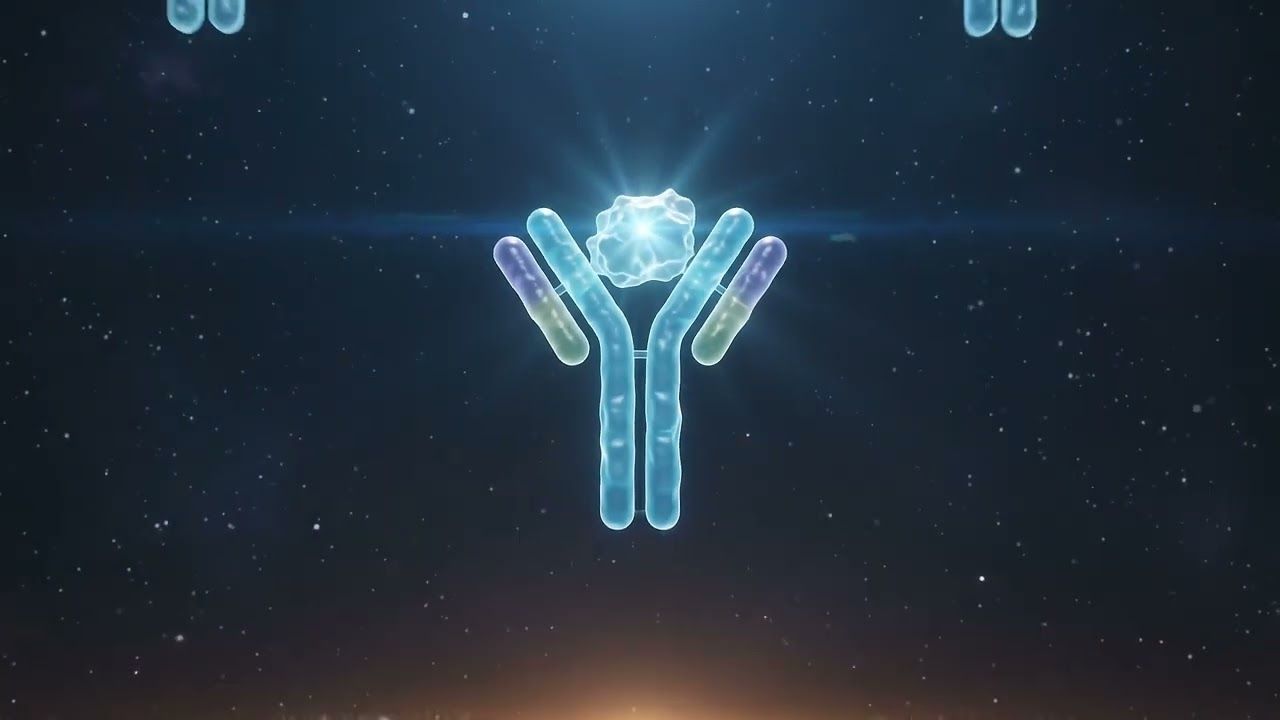
The molecular record of every infection, exposure, and immune response the body has generated over a lifetime.
Read more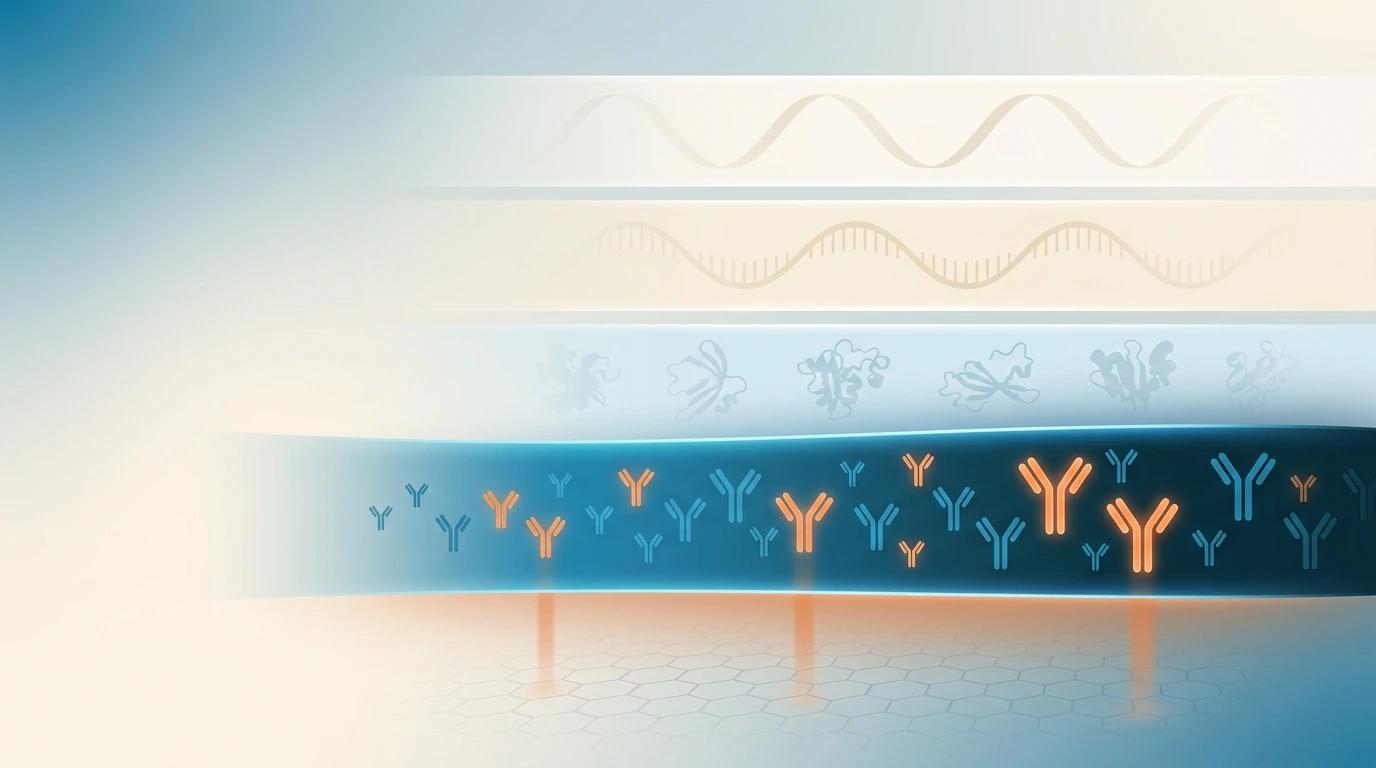
Where the antibody reactome fits in the multi-omic stack, how MIPSA deciphers it, and what the HuSIGHT, VirSIGHT, and En…
Read more
Antibody reactome profiling of bat reservoirs identifies emerging zoonotic potential for biosurveillance.
Read moreWidespread dengue virus reactivity in bat populations across IndoMalaya and Australasia.
Read more