
The founding PhIP-Seq paper: 413,611 phage-displayed peptides turn one-target-at-a-time autoantigen hunting into proteome-scale serology.
Nature Biotechnology · May 22, 2011 · DOI: 10.1038/nbt.1856
Larman HB, Zhao Z, Laserson U, et al. Autoantigen discovery with a synthetic human peptidome. Nat Biotechnol. 2011;29(6):535-541. doi:10.1038/nbt.1856
Larman, H. B., Zhao, Z., Laserson, U., Li, M. Z., Ciccia, A., Martinez Gakidis, M. A., Church, G. M., Kesari, S., LeProust, E. M., Solimini, N. L., & Elledge, S. J. (2011). Autoantigen discovery with a synthetic human peptidome. Nature Biotechnology, 29(6), 535–541. https://doi.org/10.1038/nbt.1856
@article{Larman2011PhIPSeq,
  author  = {Larman, H. Benjamin and Zhao, Zhenming and Laserson, Uri and Li, Mamie Z. and Ciccia, Alberto and Martinez Gakidis, M. Angelica and Church, George M. and Kesari, Santosh and LeProust, Emily M. and Solimini, Nicole L. and Elledge, Stephen J.},
  title   = {Autoantigen discovery with a synthetic human peptidome},
  journal = {Nature Biotechnology},
  year    = {2011},
  volume  = {29},
  number  = {6},
  pages   = {535--541},
  doi     = {10.1038/nbt.1856}
}
This is the founding paper of phage immunoprecipitation sequencing (PhIP-Seq). Larman and colleagues built a synthetic representation of the entire human proteome — 413,611 overlapping 36-mer peptides displayed on T7 bacteriophage — and used it to read out the autoantibody repertoire of patient cerebrospinal fluid in a single multiplexed serological assay. Applied to three patients with paraneoplastic neurological syndromes, the method recovered known autoantigens such as NOVA1 and GAD65 and discovered new ones including TGIF2LX and CTAG2. The work established the methodological template the field has built on ever since.
In this publication:
Before PhIP-Seq, autoantigen identification ran one candidate at a time on cDNA expression libraries where less than 6% of clones expressed in-frame. This paper introduced a synthetic library where 83% of inserts were in-frame and 91.2% of designed clones were sequenced at 45-fold median depth, turning a slow candidate-by-candidate search into a single high-throughput readout.
Applied to three patients with paraneoplastic neurological syndromes, the method recovered known autoantigens (NOVA1, GAD65) and discovered new ones (TGIF2LX, CTAG2). In Patient B, a panel-negative paraneoplastic case, PhIP-Seq enriched two non-overlapping GAD65 peptides from the Stiff Person Syndrome epitope domain, and anti-GAD65 was confirmed by commercial radioimmunoassay at 5.12 nmol/L — more than 250-fold above the reference range.
The combination of a designed peptidome plus deep sequencing established a methodological template that has since been adapted across human, viral, allergen, and microbiome serological screens. The entire generation of large-scale autoantibody-discovery work descends from this approach — including MIPSA (Molecular Indexing of Proteins by Self-Assembly) and Infinity Bio's HuSIGHT human-proteome antibody-reactome library.
Why reactome profiling captures biology that other immune assays miss.
Read more
Ben Larman at AIRRC7: the science behind MIPSA library construction.
Read more
Why reactome profiling captures biology that other immune assays miss.
Read more
HuSIGHT + EnviroSIGHT for Parkinson's research: environmental triggers and autoimmune contributions in one assay.
Read more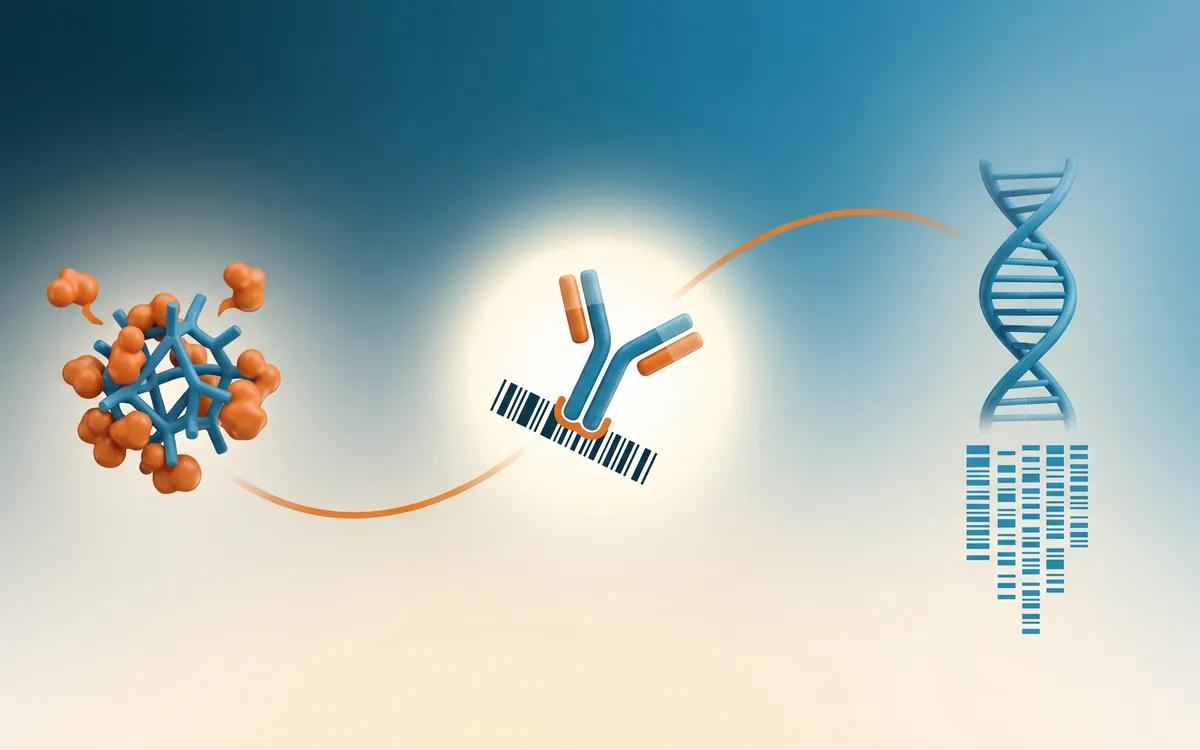
How MIPSA deciphers the antibody reactome: the three-step workflow at a glance.
Read more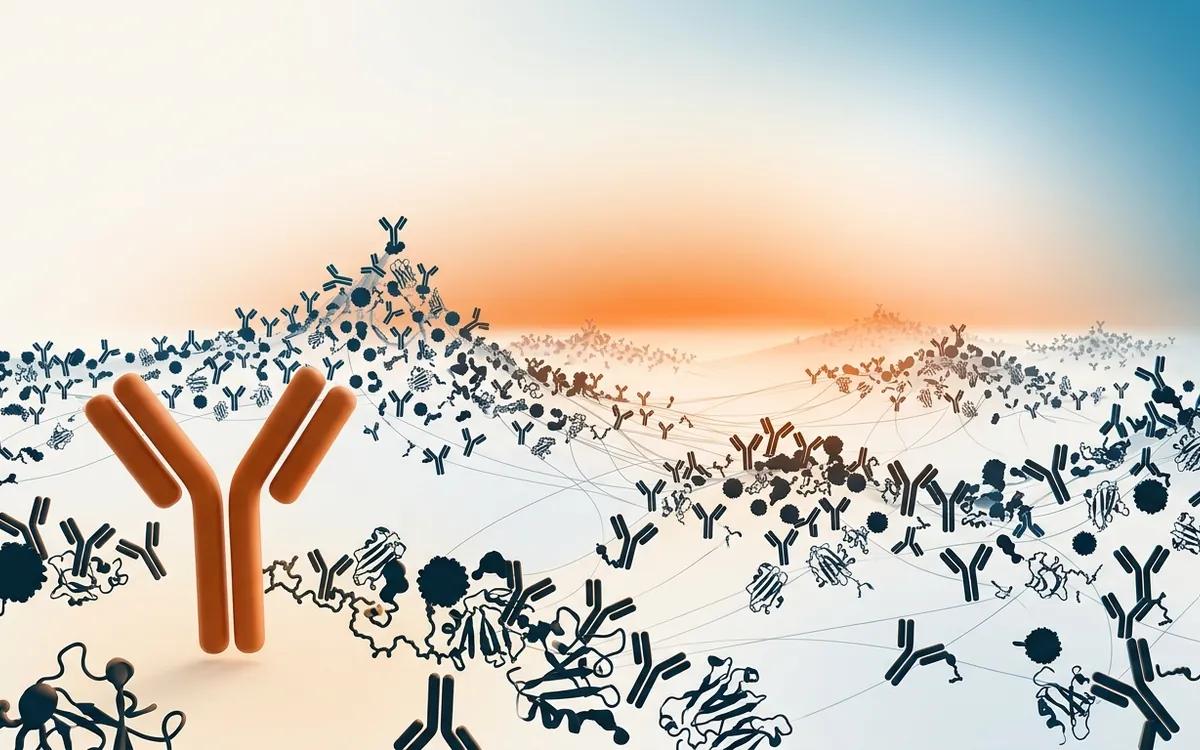
Antibody Reactomics: the new dimension for precision immunology research.
Read more
Proteome-wide assessment of therapeutic candidate antibodies: comprehensive profiling of on- and off-target binding with…
Read more
A Southern soul ballad about the exposures written into a body’s antibodies, and the EnviroSIGHT panel built to survey t…
Read more
A single unbiased screen against the human proteome recovers the established SLE autoantibody suite and surfaces novel c…
Read more
The molecular record of every infection, exposure, and immune response the body has generated over a lifetime.
Read more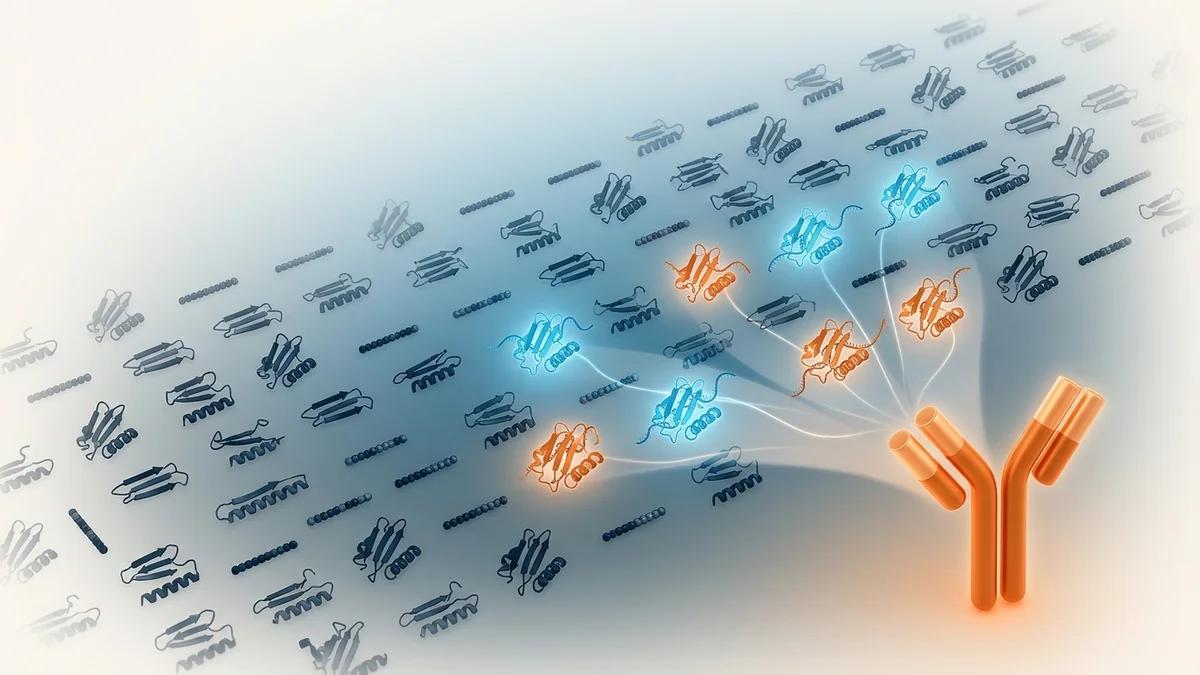
A single unbiased screen across 368,000+ human protein and peptide targets recovers known SLE autoantigens and detects n…
Read more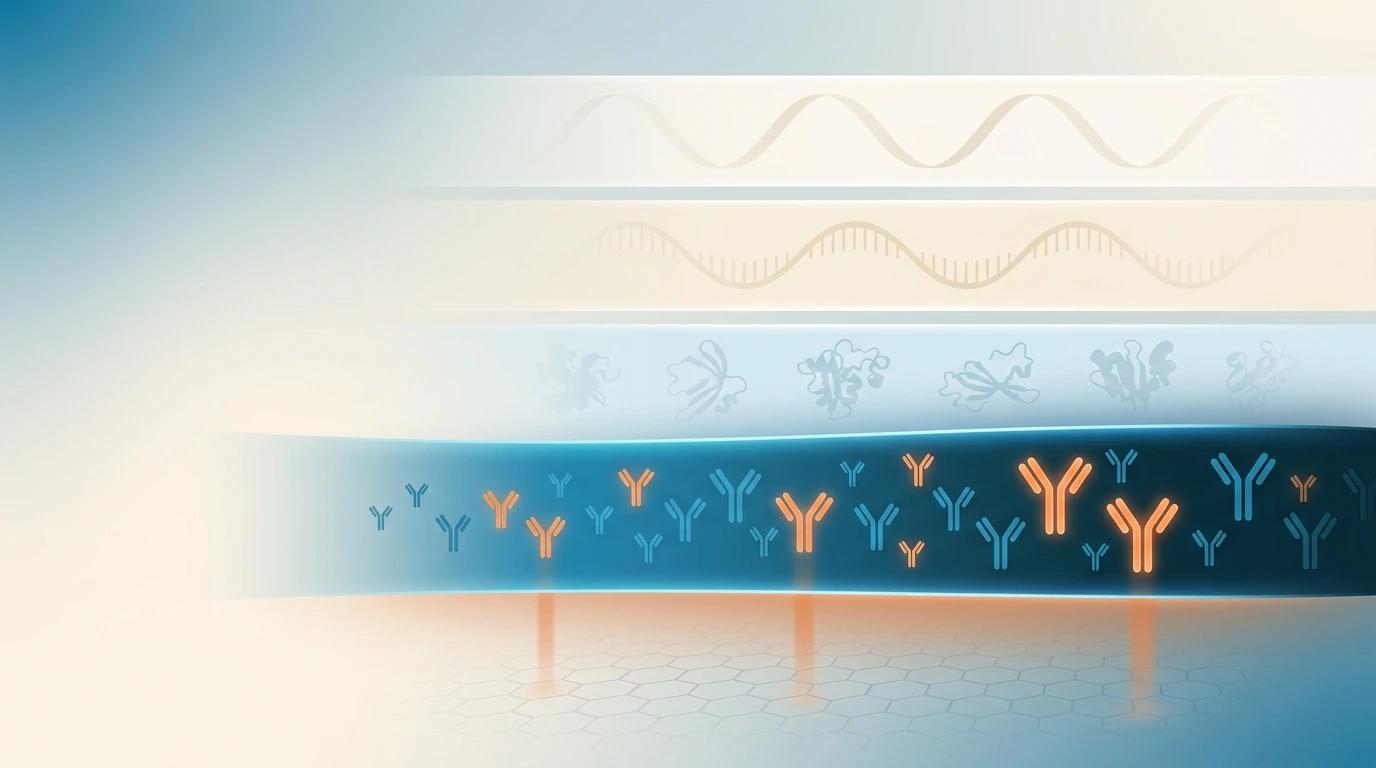
Where the antibody reactome fits in the multi-omic stack, how MIPSA deciphers it, and what the HuSIGHT, VirSIGHT, and En…
Read more