
How MIPSA decodes the antibody reactome from a single biospecimen using DNA-barcoded antigen libraries.
MIPSA — Molecular Indexing of Proteins by Self-Assembly — is the core technology behind Infinity Bio’s antibody reactome platform. This explainer walks through how MIPSA generates DNA-barcoded antigen libraries that span entire proteomic spaces, then quantifies an individual’s full antibody reactome from a single biospecimen by sequencing the barcodes captured against bound antibodies. The result is population-scale immune profiling that connects environment, inflammation, and immunity to health outcomes.
In this video:
Antibodies serve as a detailed ledger of past and ongoing immune responses, presenting a crucial window into health and disease mechanisms. At Infinity Bio, we decode the molecular portfolio of potential antibody targets, which is known as the antibody reactome.
Our novel MIPSA technology is used to generate very large panels of DNA-barcoded full-length protein antigens and/or rationally designed peptide antigens. These panels — referred to as antigen libraries — cover entire proteomic spaces, including all viral, allergen, and non-viral microbes in human proteins.
A MIPSA antigen library is mixed with a biospecimen containing antibodies, allowing the antibodies to bind their targets in solution. These antibody-bound antigens are then captured and identified by sequencing of their unique DNA barcodes. Our bioinformatics pipeline quantifies each antigen reactivity against a set of controls.
Infinity Bio’s MIPSA technology delivers a comprehensive picture of an individual’s antibody reactome with unprecedented accuracy, and immune responses can now be associated with key health outcomes at population scale.
Interested in the interplay of environment, inflammation, and immunity? Connect with us at infinitybio.com/contact.
Why reactome profiling captures biology that other immune assays miss.
Read more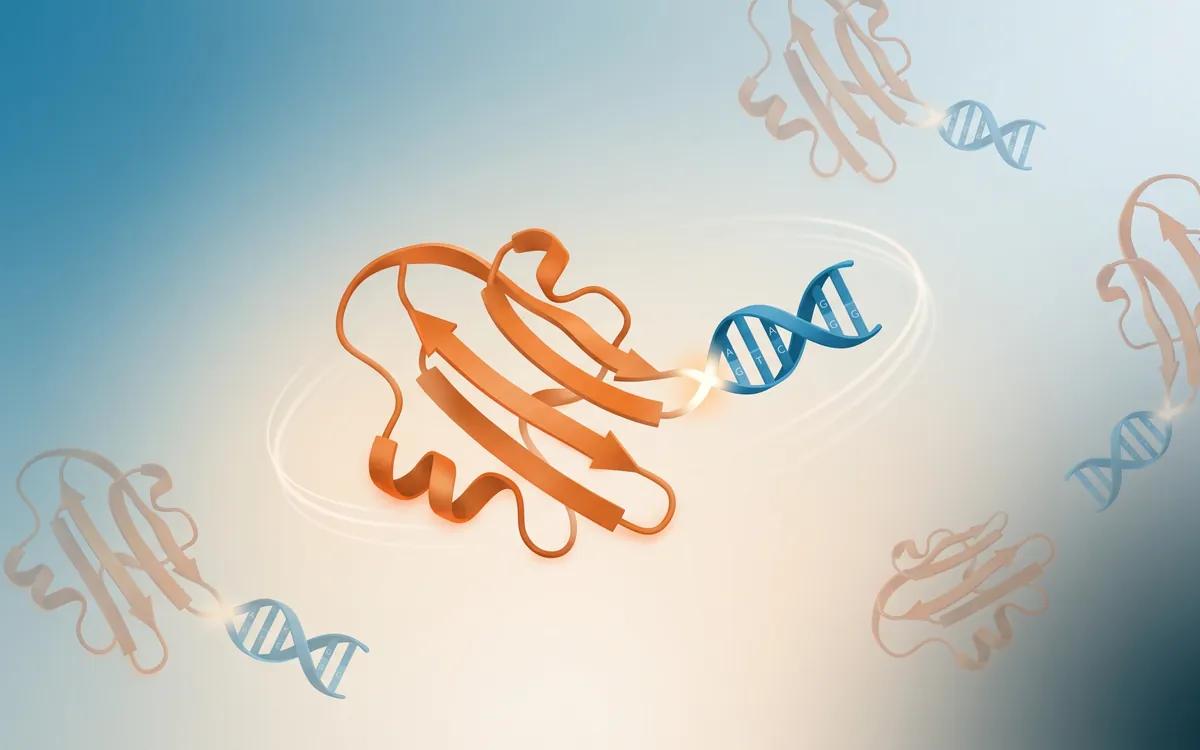
Ben Larman at AIRRC7: the science behind MIPSA library construction.
Read more
Why reactome profiling captures biology that other immune assays miss.
Read more
Antibody Reactomics: the new dimension for precision immunology research.
Read more
Proteome-wide assessment of therapeutic candidate antibodies: comprehensive profiling of on- and off-target binding with…
Read more
A Southern soul ballad about the exposures written into a body’s antibodies, and the EnviroSIGHT panel built to survey t…
Read more
A single unbiased screen against the human proteome recovers the established SLE autoantibody suite and surfaces novel c…
Read more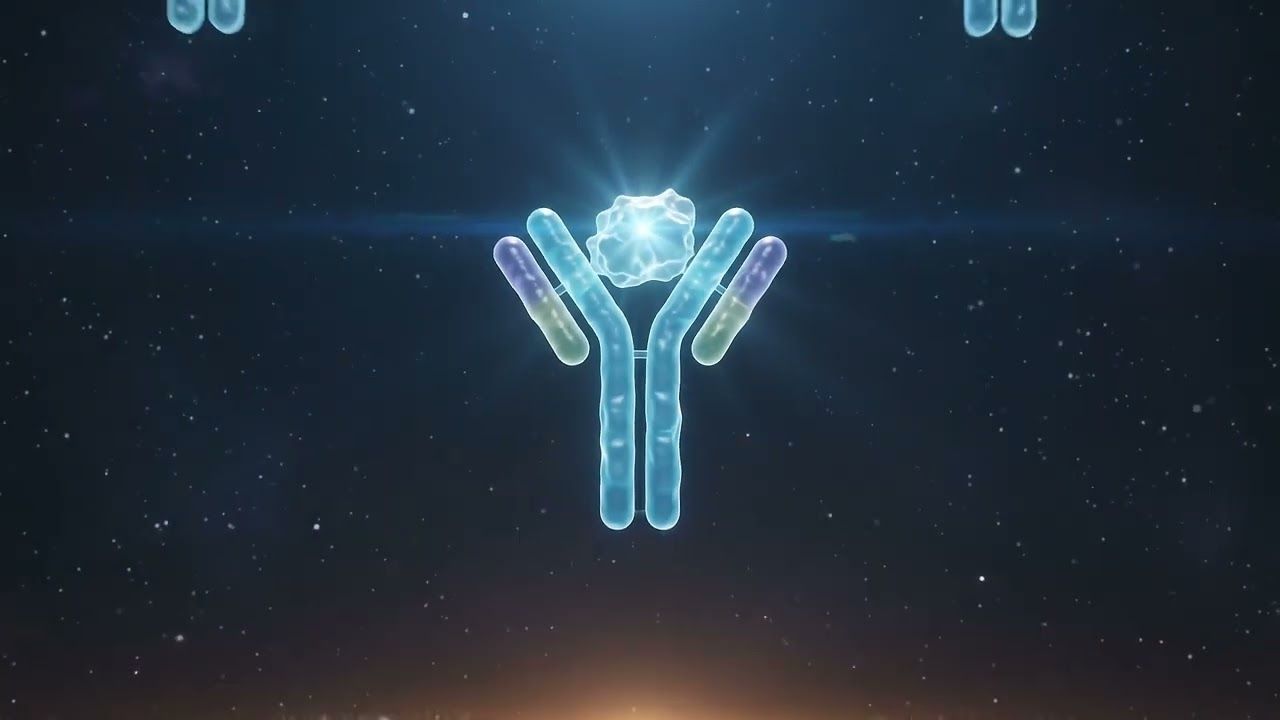
The molecular record of every infection, exposure, and immune response the body has generated over a lifetime.
Read more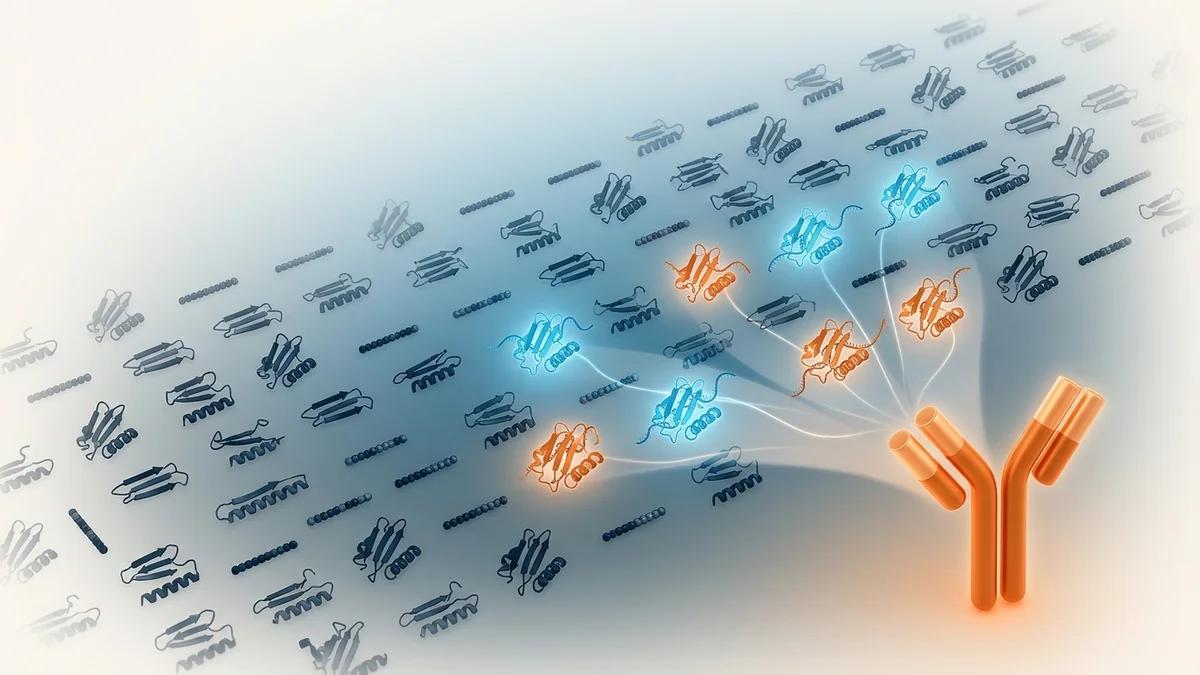
A single unbiased screen across 368,000+ human protein and peptide targets recovers known SLE autoantigens and detects n…
Read more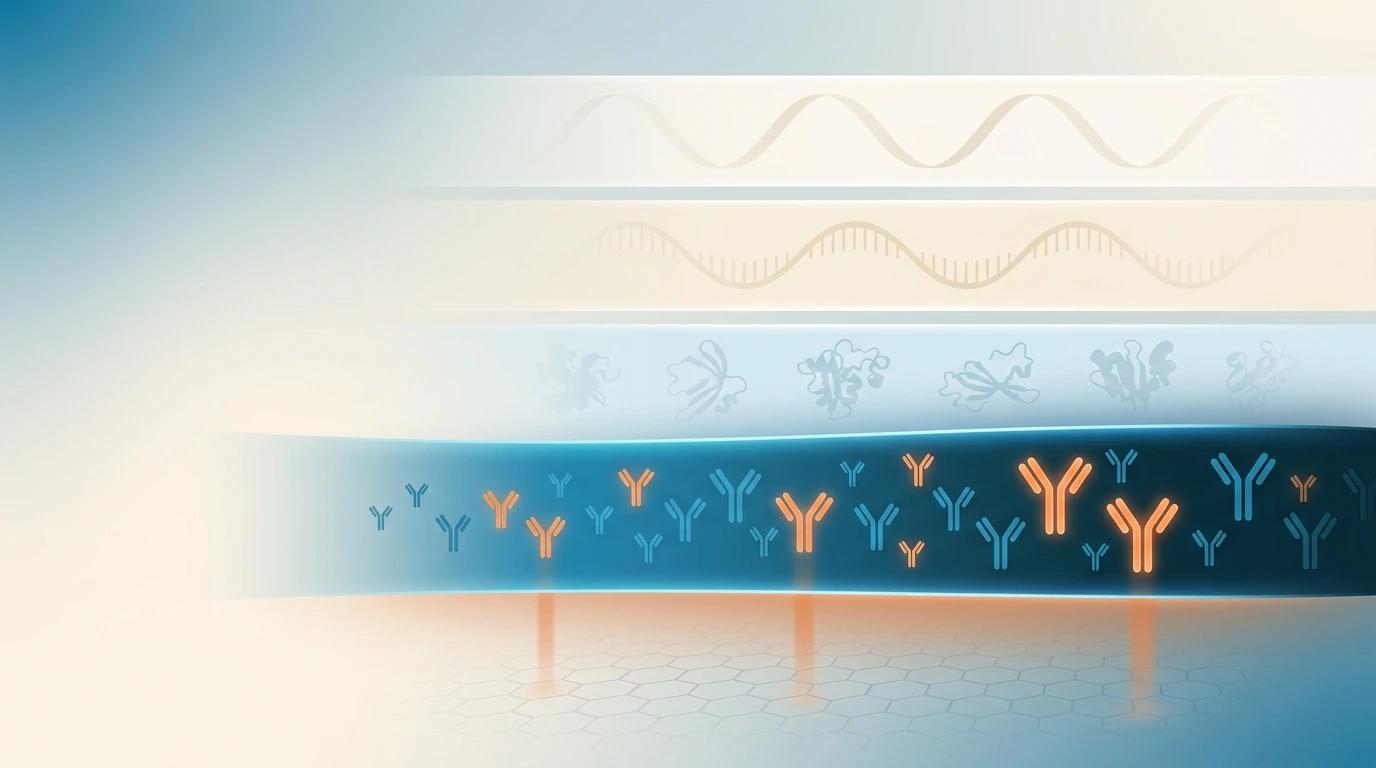
Where the antibody reactome fits in the multi-omic stack, how MIPSA deciphers it, and what the HuSIGHT, VirSIGHT, and En…
Read more
Ben Larman on translating dense reactome data: Antibody Reactomics framework, Complex Data Delivery.
Read more
Dolphyn algorithm: efficient epitope prioritization for extensive antigenic spaces.
Read more