
The founding MIPSA paper: an 11,076-protein DNA-barcoded library uncovers neutralizing anti-IFN-λ3 autoantibodies in life-threatening COVID-19.
Nature Biomedical Engineering · August 19, 2022 · DOI: 10.1038/s41551-022-00925-y
Credle JJ, Gunn J, Sangkhapreecha P, et al. Unbiased discovery of autoantibodies associated with severe COVID-19 via genome-scale self-assembled DNA-barcoded protein libraries. Nat Biomed Eng. 2022;6(8):992-1003. doi:10.1038/s41551-022-00925-y
Credle, J. J., Gunn, J., Sangkhapreecha, P., Monaco, D. R., Zheng, X. A., Tsai, H.-J., Wilbon, A., Morgenlander, W. R., Rastegar, A., Dong, Y., Jayaraman, S., Tosi, L., Parekkadan, B., Baer, A. N., Roederer, M., Bloch, E. M., Tobian, A. A. R., Zyskind, I., Silverberg, J. I., Rosenberg, A. Z., Cox, A. L., Lloyd, T., Mammen, A. L., & Larman, H. B. (2022). Unbiased discovery of autoantibodies associated with severe COVID-19 via genome-scale self-assembled DNA-barcoded protein libraries. Nature Biomedical Engineering, 6(8), 992–1003. https://doi.org/10.1038/s41551-022-00925-y
@article{credle2022mipsa,
  title   = {Unbiased discovery of autoantibodies associated with severe {COVID-19} via genome-scale self-assembled {DNA}-barcoded protein libraries},
  author  = {Credle, Joel J. and Gunn, Jonathan and Sangkhapreecha, Puwanat and Monaco, Daniel R. and Zheng, Xuwen Alice and Tsai, Hung-Ji and Wilbon, Azaan and Morgenlander, William R. and Rastegar, Andre and Dong, Yi and Jayaraman, Sahana and Tosi, Lorenzo and Parekkadan, Biju and Baer, Alan N. and Roederer, Mario and Bloch, Evan M. and Tobian, Aaron A. R. and Zyskind, Israel and Silverberg, Jonathan I. and Rosenberg, Avi Z. and Cox, Andrea L. and Lloyd, Tom and Mammen, Andrew L. and Larman, H. Benjamin},
  journal = {Nature Biomedical Engineering},
  volume  = {6},
  number  = {8},
  pages   = {992--1003},
  year    = {2022},
  doi     = {10.1038/s41551-022-00925-y}
}
This is the foundational MIPSA paper — the introduction of molecular indexing of proteins by self-assembly, the genome-scale DNA-barcoded protein-display technology that powers Infinity Bio's antibody-reactome platform. Credle and colleagues used a self-assembled library of 11,076 full-length human proteins to scan plasma from 55 patients with life-threatening COVID-19 and uncovered, alongside the previously known type-I interferon autoantibodies, a previously unrecognized class of neutralizing type-III anti-IFN-λ3 autoantibodies absent from healthy or non-hospitalized convalescent controls.
In this publication:
MIPSA covalently couples each ORF-encoded protein to a unique DNA barcode (a unique-clone-identifier, or UCI) inside its translation complex via a HaloTag fusion, so an entire ORFeome can be displayed and immunoprecipitated in a single pooled reaction and read out by sequencing. Compared with phage display (which is restricted to short peptides) and protein microarrays (which are expensive and dry-spotting-prone), MIPSA delivers full-length, conformational, soluble proteins at proteome scale.
Of the four severe-COVID-19 patients carrying neutralizing IFN-α autoantibodies, two died — a fatality rate substantially higher than the rest of the severe cohort. MIPSA also detected NT5C1A autoantibodies (the canonical inclusion-body-myositis target) in 3 of 55 severe patients, confirming the assay surfaces clinically meaningful autoreactivities beyond the interferon axis.
By covalently coupling each ORF-encoded full-length protein to its own DNA barcode through self-assembly inside the translation complex, MIPSA pushes proteome-scale antibody profiling past the peptide-fragment ceiling that has long constrained phage display — with a sequencing readout that costs and scales like PhIP-Seq, not like a protein microarray. The COVID-19 cohort is its first published clinical demonstration; the platform itself is the technology Infinity Bio operates as the HuSIGHT human-proteome reactome service. For autoantibody-discovery groups working in complex disease, MIPSA captures conformational autoepitopes that peptide phage display systematically misses, and the dataset is directly reusable for long-COVID and post-acute sequelae studies.
Why reactome profiling captures biology that other immune assays miss.
Read more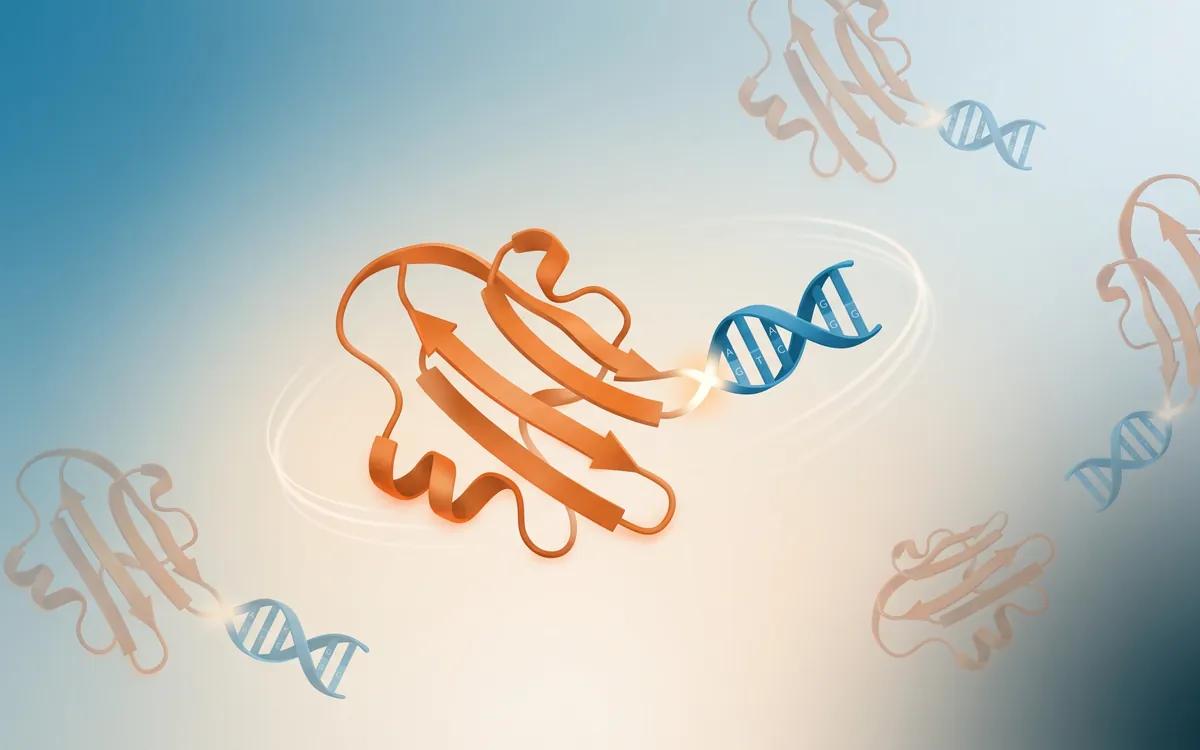
Ben Larman at AIRRC7: the science behind MIPSA library construction.
Read more
Why reactome profiling captures biology that other immune assays miss.
Read more
HuSIGHT + EnviroSIGHT for Parkinson's research: environmental triggers and autoimmune contributions in one assay.
Read more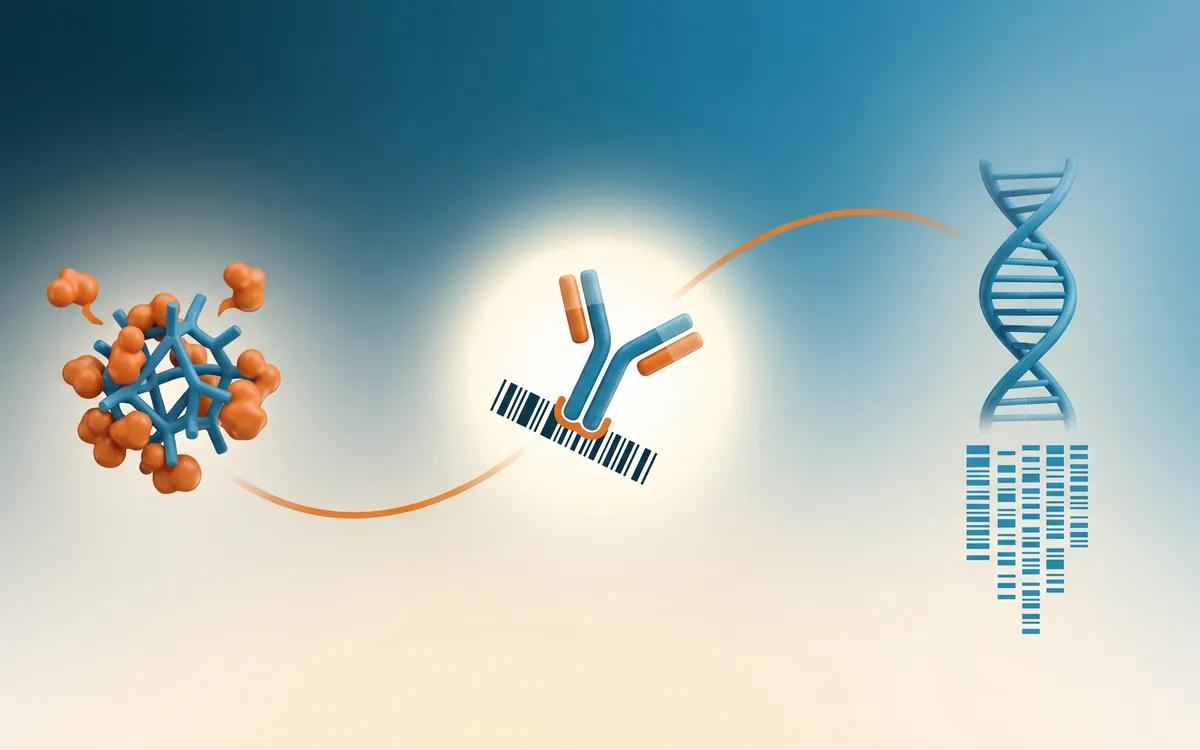
How MIPSA deciphers the antibody reactome: the three-step workflow at a glance.
Read more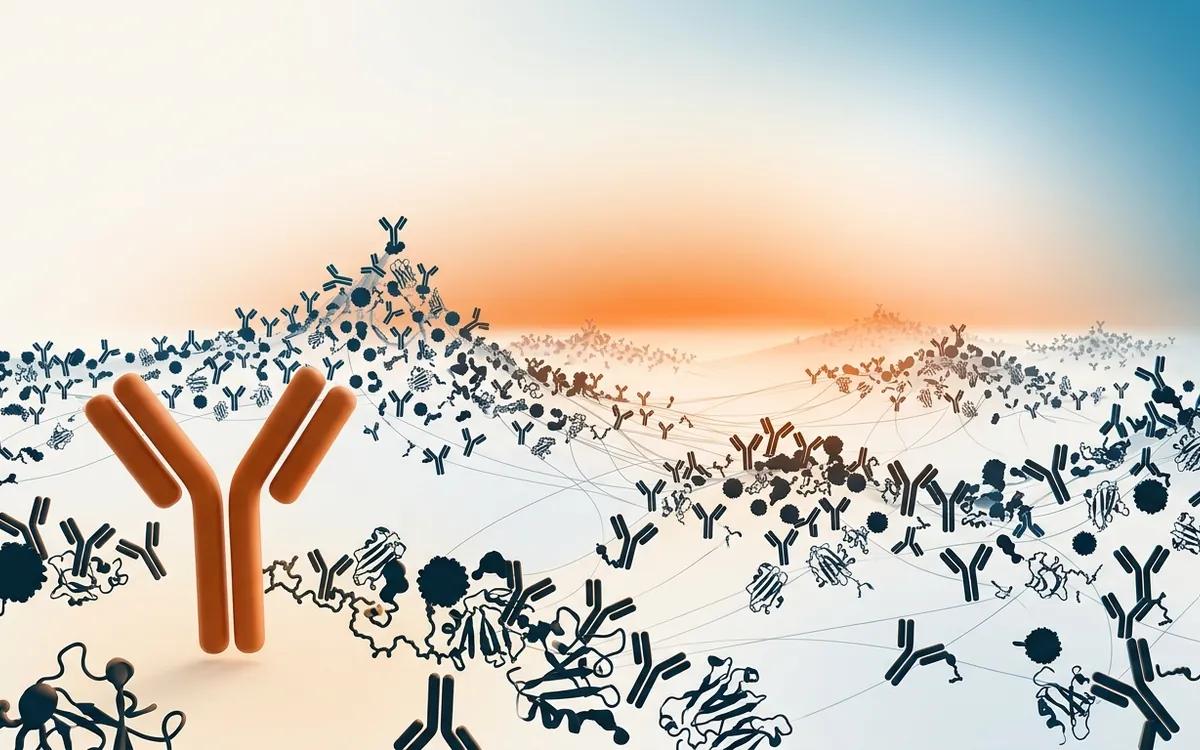
Antibody Reactomics: the new dimension for precision immunology research.
Read more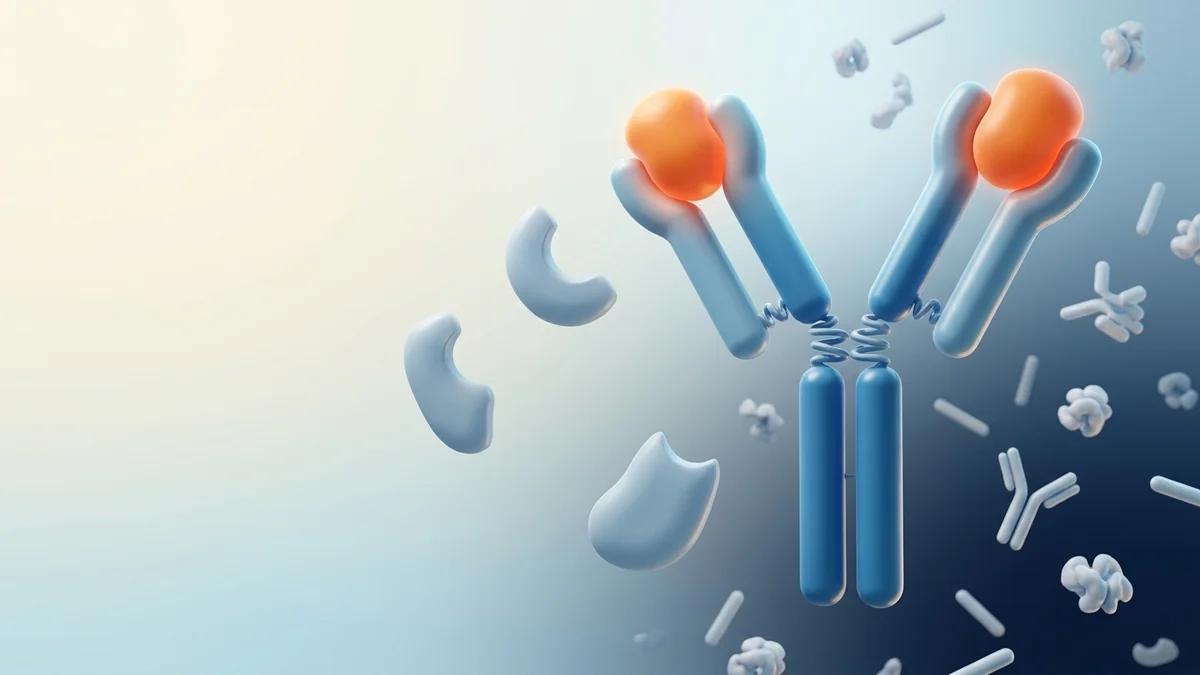
Proteome-wide assessment of therapeutic candidate antibodies: comprehensive profiling of on- and off-target binding with…
Read more
A Southern soul ballad about the exposures written into a body’s antibodies, and the EnviroSIGHT panel built to survey t…
Read more
A single unbiased screen against the human proteome recovers the established SLE autoantibody suite and surfaces novel c…
Read more
The molecular record of every infection, exposure, and immune response the body has generated over a lifetime.
Read more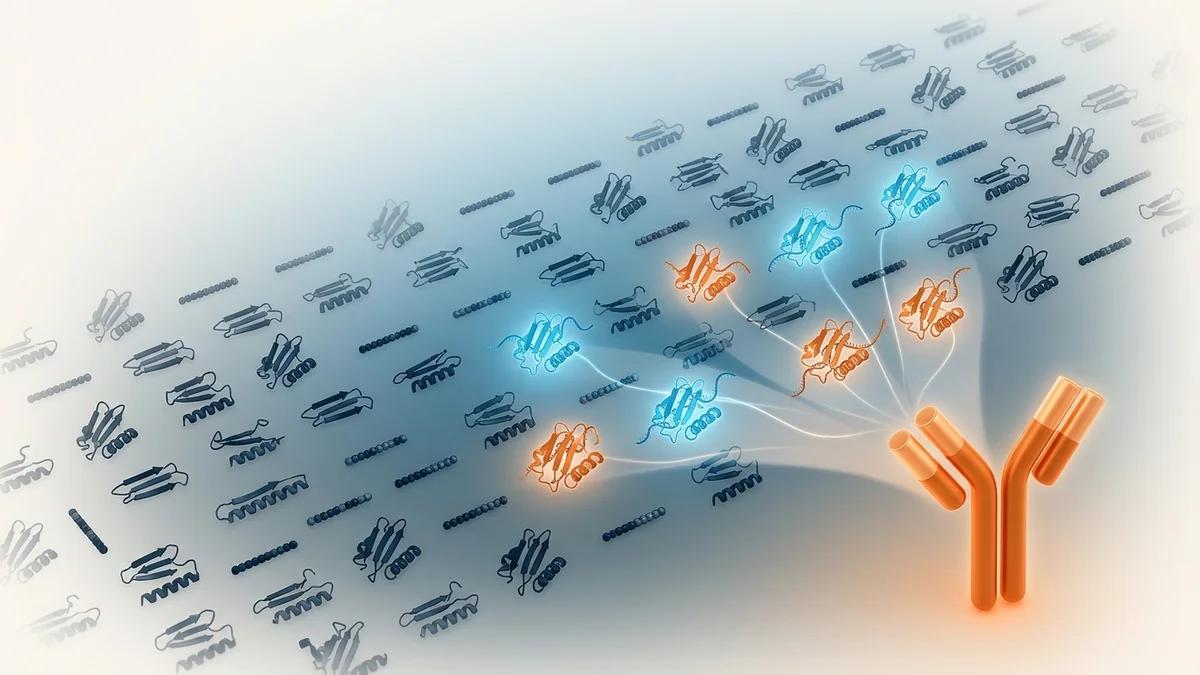
A single unbiased screen across 368,000+ human protein and peptide targets recovers known SLE autoantigens and detects n…
Read more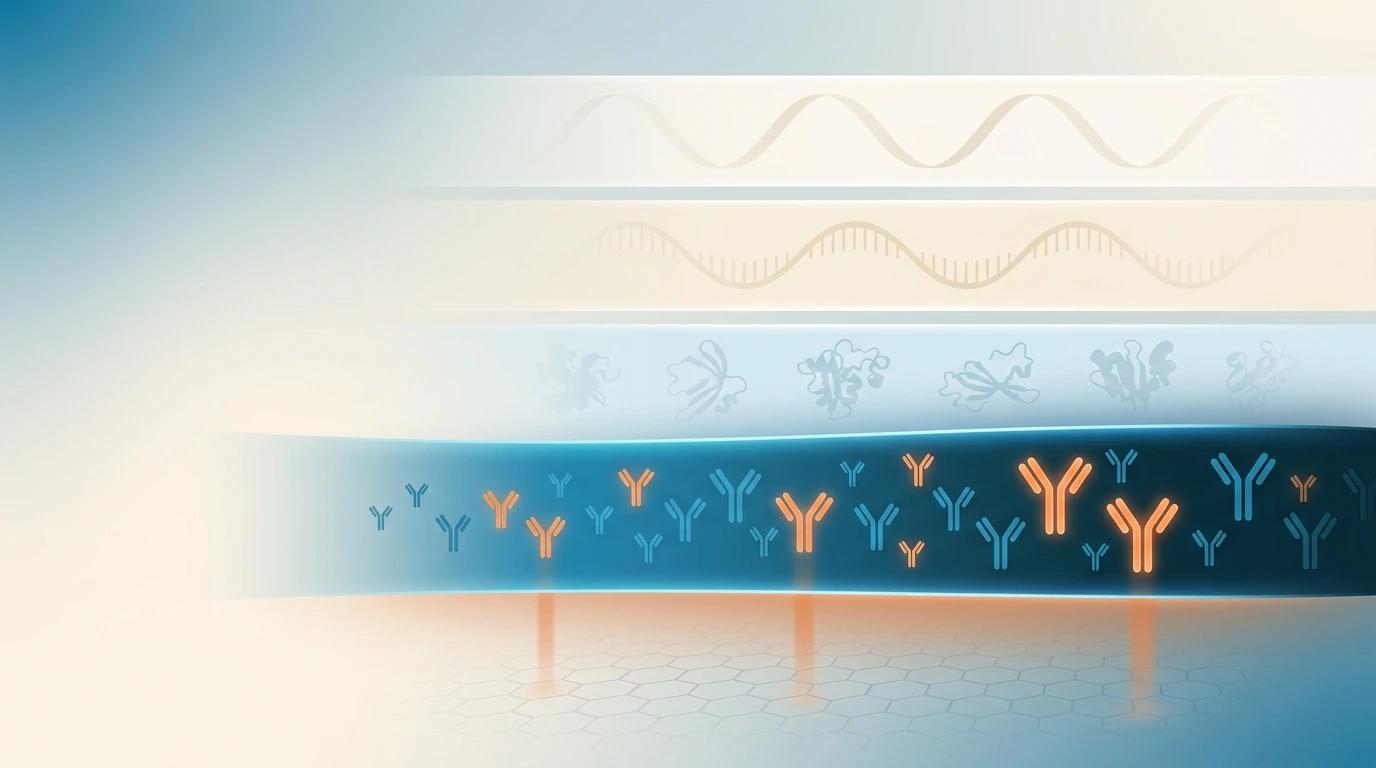
Where the antibody reactome fits in the multi-omic stack, how MIPSA deciphers it, and what the HuSIGHT, VirSIGHT, and En…
Read more