
How antibody reactome profiling reveals immune history that genomic and proteomic methods can't capture.
This Labroots webinar, sponsored by Infinity Bio, opens with a brief MIPSA platform overview from VP of Scientific Development Kathryn (Katy) Shaw-Saliba, then hands the mic to two principal investigators presenting unpublished biobank-scale findings. Dr. Jessica Lasky-Su (Brigham and Women’s / Harvard Medical School) shows how herpesvirus exposures map to specific autoantibodies in the Mass General Brigham biobank — and how those autoantibody signatures, in turn, predict prevalent and incident chronic disease. Dr. Linda Kusner (George Washington University) then presents reactome profiling of thymoma-associated myasthenia gravis, surfacing autoreactivities far beyond the canonical acetylcholine receptor. The talk closes with a live Q&A on protective autoantibodies, peptide- vs. protein-level annotation, and assay limitations for multipass membrane targets.
In this webinar:
Katy Shaw-Saliba (Infinity Bio): Hello everyone and welcome to this webinar that’s being hosted by Labroots and sponsored by Infinity Bio. I’m Katy Shaw-Saliba and I’m the VP of Scientific Development here at Infinity Bio. It’s my distinct honor and pleasure to be joined by Dr. Linda Kusner, who is a professor at George Washington University, and Dr. Jessica Lasky-Su, who is an associate professor at Brigham and Women’s Hospital and Harvard Medical School. Today we’ll be talking about how measuring the reactivities of the circulating antibodies through reactome profiling can provide novel insights into human health. Before I turn it over to our speakers, I’ll present a little bit about Infinity Bio and our novel technology. We’ll open up for Q&A at the end — please don’t be shy in sharing your questions as we go.
Infinity Bio is the antibody reactome profiling company. Our scientific co-founders are Dr. Ben Larman from Johns Hopkins University and Dr. Steve Elledge from Harvard University, both of whom are giants in the antibody reactome technology space. Our laboratory is in Baltimore, Maryland, where we operate as a fee-for-service business. We have 9,000 square feet with dedicated laboratory staff and we are able to process about 2,500 samples per week. Of note, during our Series A closing, we acquired another antibody reactome profiling technology produced by a company formerly known as Seromyx, and we’ve expanded our scientific group with this closing.
So what is antibody reactome profiling, and what is the antibody reactome? The antibody reactome consists of all of the possible binding interactions between antibodies and antigens. As depicted here, all of the antibodies present in a person are a ledger of prior and ongoing immune responses, storing information against both foreign and self antigens. Our novel MIPSA technology — Molecular Indexing of Proteins by Self-Assembly — uses ribosomal display and chemical cross-linking to generate DNA-barcoded antigen libraries. These libraries can be made up of full-length proteins and rationally designed overlapping peptides covering entire proteomic spaces.
Our virus library, VirSIGHT, spans the human virome. Our newest library is EnviroSIGHT, the world’s largest panel of non-viral microbial antigens, including pathogenic bacteria, fungi, parasites, and a large component of the microbiome, plus allergens from arthropod vectors, food, plants and environmental sources. VirSIGHT and EnviroSIGHT together cover the external exposome. HuSIGHT covers the self exposome — all human proteins as full-length and overlapping peptides. The fourth library, MuSIGHT, is the mouse complement to HuSIGHT for animal model work. During our Series A we also acquired what was formerly known as the Seromyx platform, which we call ExSIGHT — bacterial display of random peptides, allowing us to explore both the dark matter and the fine resolution of the antibody reactome and cast the widest net.
With that introduction, I will turn it over to our speakers. Jessica, please go ahead.
Jessica Lasky-Su (Brigham and Women’s / Harvard Medical School): Thank you. It’s wonderful to be here. I’m really excited to talk about some of the initial work I’ve been able to do on the Infinity Bio platform. This came out of an interest in understanding how autoantibody and viral reactivities interact with human health outcomes. I’ve done a lot of work in the Mass General Brigham biobank, where we have decades of electronic health record data and approximately a hundred curated disease diagnoses, which makes it possible to ask very large-scale questions about the relationship between immune history and chronic disease.
The first thing we did was to characterize how specifically herpesvirus exposures — including EBV, CMV, HSV-1, HSV-2, VZV (varicella) and HHV-6 — relate to autoantibody profiles. When we looked at the distribution of reactivities, Epstein–Barr virus showed a large number of highly prevalent peptides, and varicella reactivities were also widespread, likely reflecting widespread vaccination and infection. Human (self) reactivities were much rarer, with the majority of autoantibody reactivities present in less than 15% of individuals.
To understand the relationship between autoantibodies and herpesvirus exposures, we examined the association between viral peptide reactivity and autoantibody reactivity. In our discovery population, the Manhattan plot showed a striking number of autoantibodies above the 10−6 genome-wide significance threshold, suggesting a strong, compelling relationship between herpes exposures and autoantibodies. Some of the most compelling hits reached p-values below 10−80, indicating specific autoantibodies very tightly linked to specific herpesvirus peptides. We then asked whether these associations replicated in an independent validation cohort, and a substantial fraction did.
We next asked whether autoantibodies and viral peptides could predict prevalent and incident disease in the biobank. Using machine-learning models, many autoantibodies predicted specific disease endpoints with 70–90% accuracy, and 37 reached above 90% accuracy in a held-out test set. When we looked at the overlap between viral peptide–disease associations and autoantibody–disease associations, the autoantibodies replicated nearly 60% of the viral peptide CMV-related associations, supporting the idea of a shared mechanistic axis between past viral exposure and downstream chronic disease. For EBV the overlap was lower, partly reflecting the smaller number of significant EBV-disease associations in the cohort.
Finally, when we stratified by sex and looked at biological aging clocks, we saw a group of autoantibodies in women that was strongly associated with reduced biological aging — and the same autoantibodies showed protective effects across a number of disease endpoints. This kind of protective autoantibody signal is an under-explored area, and one we’re continuing to follow up.
Katy Shaw-Saliba: Thank you so much, Dr. Lasky-Su. We’re collecting the questions and will answer them at the end. Now we’ll have Dr. Kusner present her study.
Linda Kusner (George Washington University): Thank you for the opportunity to talk about thymoma-associated myasthenia gravis and the occurrence of autoantibodies. Myasthenia gravis is a rare autoimmune disorder of the neuromuscular junction, classically driven by autoantibodies against the acetylcholine receptor. A subset of patients also have a thymoma — an epithelial tumor of the thymus — and these thymoma-associated myasthenia gravis cases have a distinct clinical course.
Working with the Indiana University thymoma biobank for 60% of our cases and our internal George Washington University biobank for age- and sex-matched controls, we used the Infinity Bio platform to profile autoreactivity in thymoma-associated myasthenia gravis. Across the entire cohort, close to 5,000 proteins were autoreactive with over 6,000 reactive peptides. Patients ranged from 26 to 415 reactive proteins, while controls ranged from 47 to 623. Two controls showed unusually high reactivity, but neither the peptides nor the proteins showed clear case–control differences for those individuals. The thymoma-associated MG patients had a higher level of unique autoantibodies than controls, including reactivities beyond the canonical acetylcholine receptor target, suggesting a broader autoantibody footprint in this disease.
Katy Shaw-Saliba: Wonderful — thank you so much to both of our speakers. Those were excellent presentations and I learned a tremendous amount. We do have a number of questions in the Q&A chat — please continue to post your questions there.
(Live Q&A — selected exchanges)
Q (for Dr. Lasky-Su): Were autoantibodies ever protective rather than just associated with disease risk?
Lasky-Su: Yes, absolutely. Most autoantibody volcano plots are right-skewed — more positively associated with disease than negatively — but a subset are clearly protective. We see this especially in women, where one cluster of autoantibodies is strongly associated with reduced biological aging across multiple aging clocks, and the same autoantibodies are protective across several disease endpoints. We think this is a pretty under-explored area.
Q (for Dr. Kusner): How do you handle peptide-level vs. protein-level annotation, particularly around cross-reactivity?
Kusner: We work at both levels — we can look at protein-level reactivity to know whether a target is recognized at all, and we can also look at peptide-level reactivities to understand which regions of the protein are being recognized. Cross-reactivity is always a consideration with any serological method, and a lot of the resolution depends on the annotation within the library itself.
Katy Shaw-Saliba: Are there any other burning questions? We did have a few very in-depth technical questions about volumes, costs and validation — we’re more than happy to follow up directly. The recording will be posted on our website along with our previous webinar on the MIPSA platform. Thank you to Dr. Kusner and Dr. Lasky-Su, thanks to Labroots for hosting, and on behalf of our entire Infinity Bio team — thank you everyone.
Transcript auto-captioned by YouTube and lightly edited for clarity, speaker labels, and accuracy of proper names. Statistical thresholds (e.g. p < 10−6, p < 10−80), cohort counts (~5,000 autoreactive proteins, 6,000+ peptides, 26–415 / 47–623 protein ranges) and accuracy figures (70–90%, 37 above 90%) are reproduced as stated by the speakers during the webinar; published peer-reviewed manuscripts may report updated values.
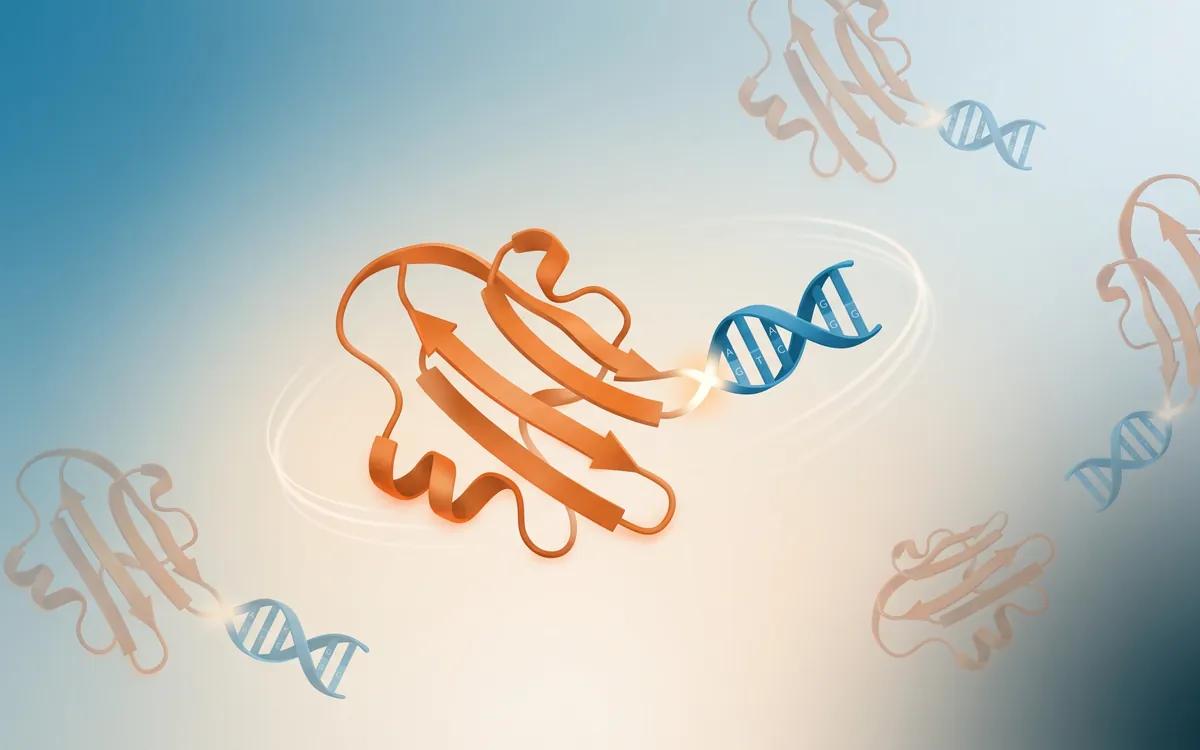
Ben Larman at AIRRC7: the science behind MIPSA library construction.
Read more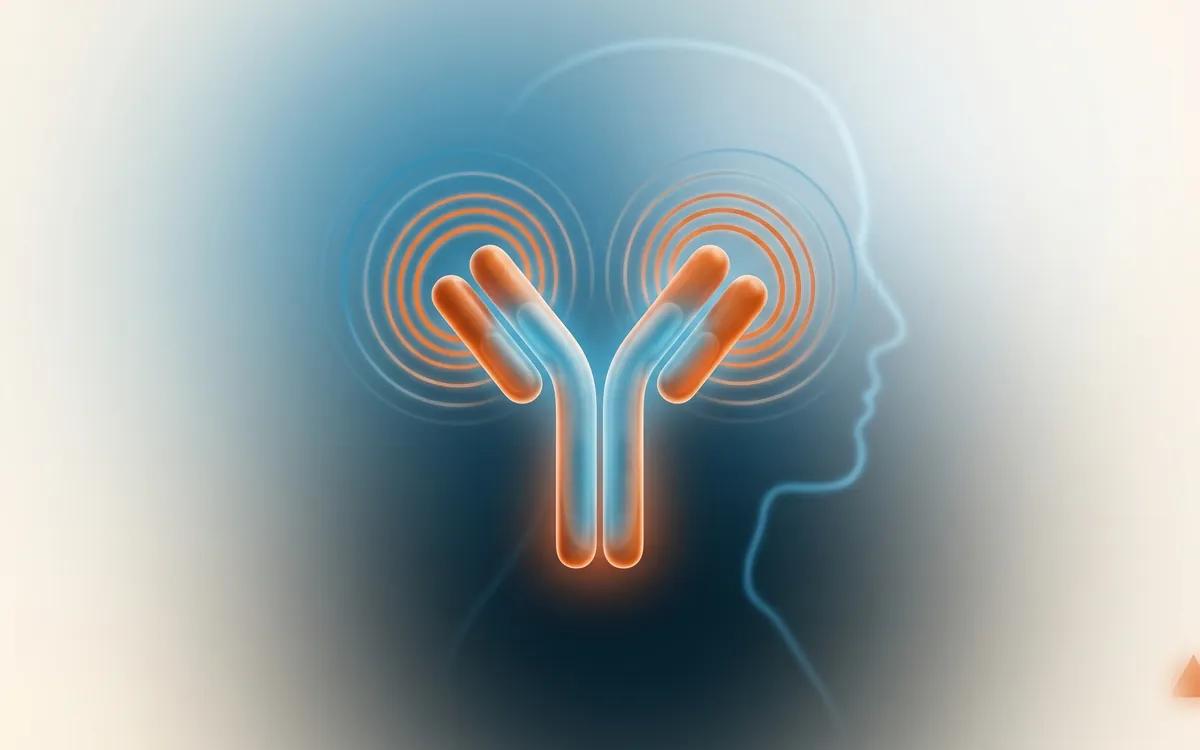
Why reactome profiling captures biology that other immune assays miss.
Read more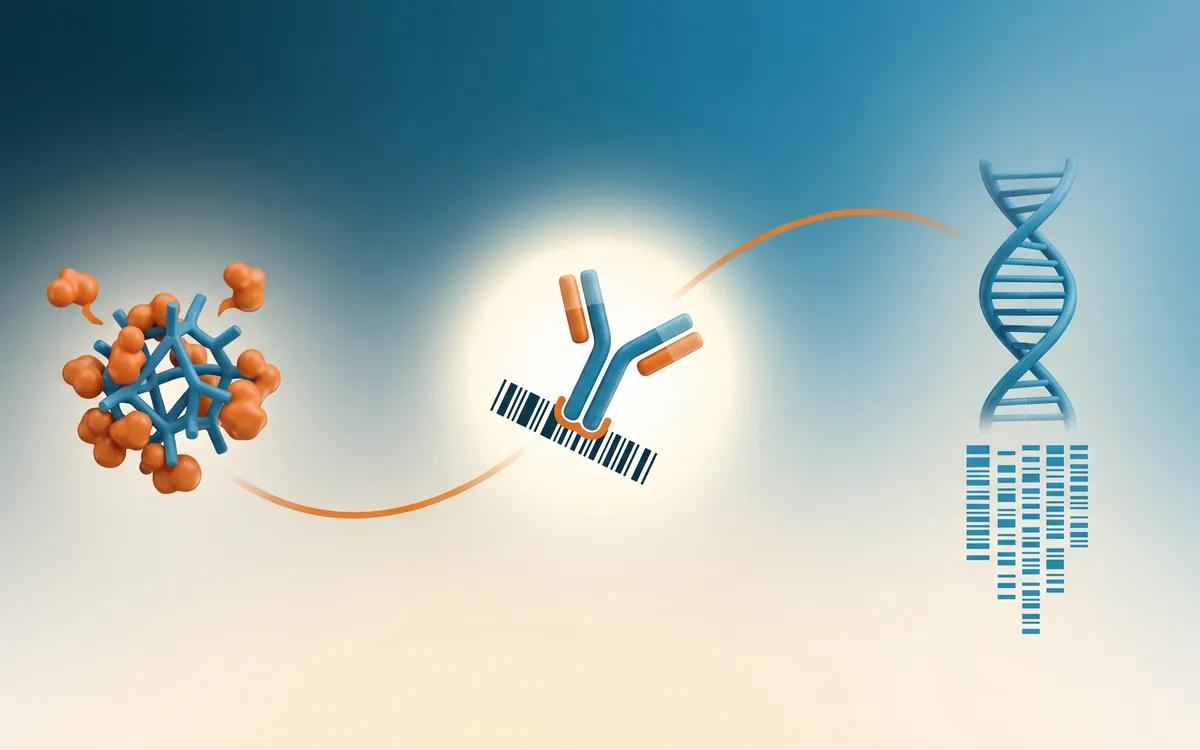
How MIPSA deciphers the antibody reactome: the three-step workflow at a glance.
Read more
Antibody Reactomics: the new dimension for precision immunology research.
Read more
Proteome-wide assessment of therapeutic candidate antibodies: comprehensive profiling of on- and off-target binding with…
Read more
A Southern soul ballad about the exposures written into a body’s antibodies, and the EnviroSIGHT panel built to survey t…
Read more
A single unbiased screen against the human proteome recovers the established SLE autoantibody suite and surfaces novel c…
Read more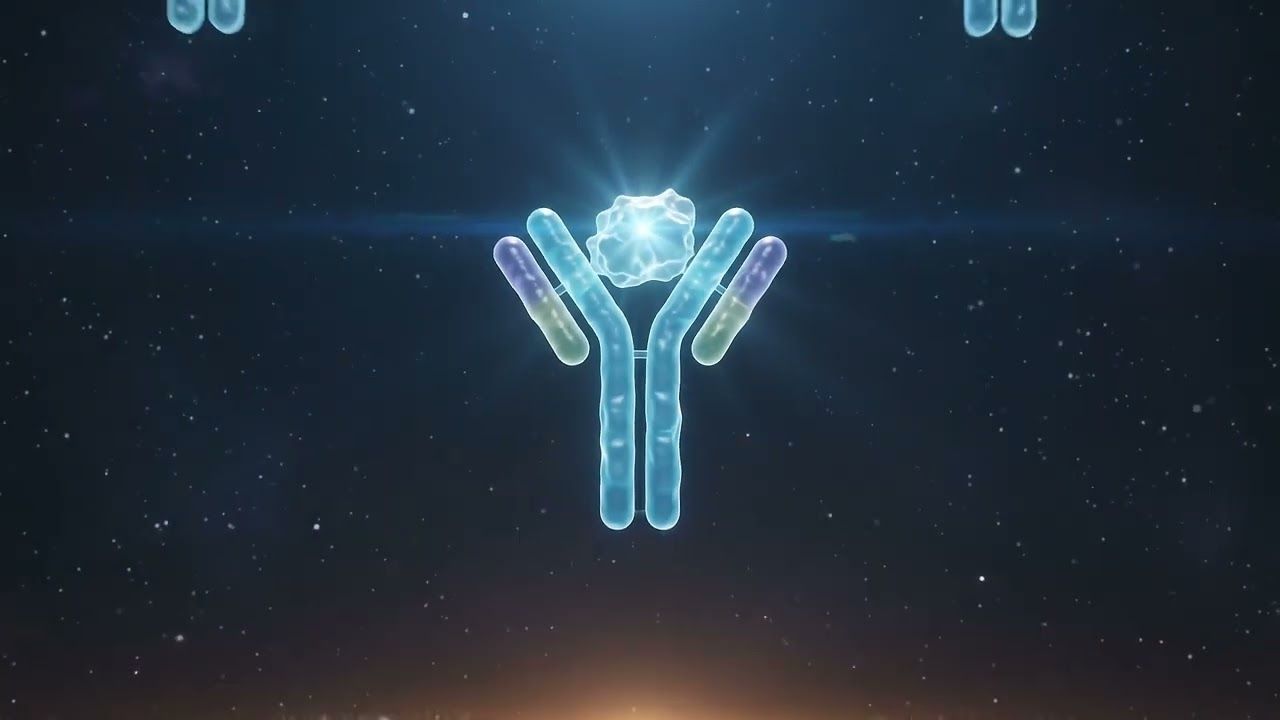
The molecular record of every infection, exposure, and immune response the body has generated over a lifetime.
Read more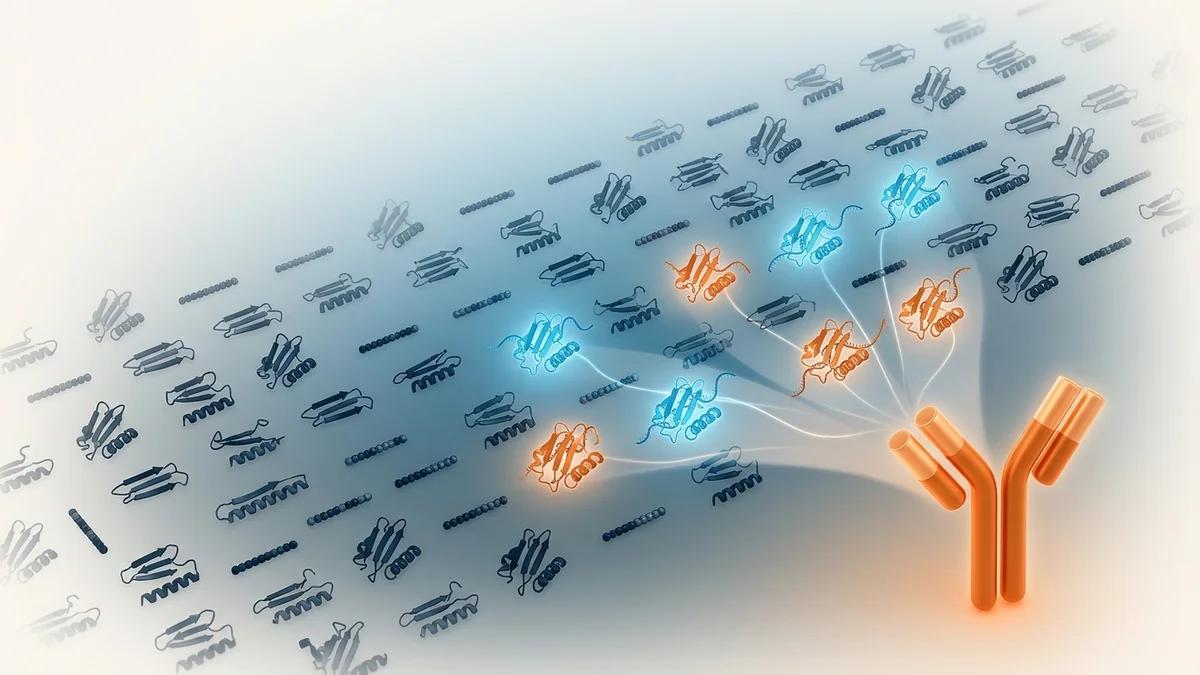
A single unbiased screen across 368,000+ human protein and peptide targets recovers known SLE autoantigens and detects n…
Read more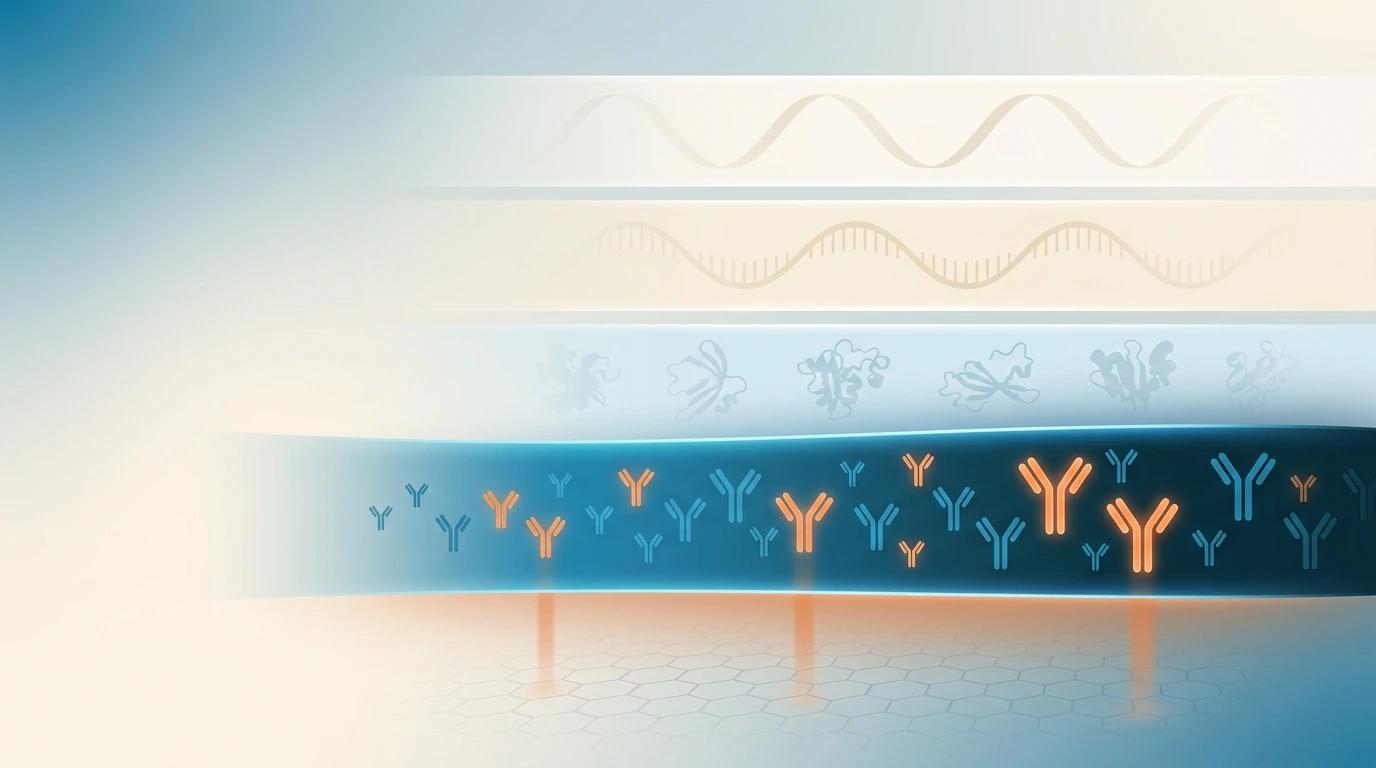
Where the antibody reactome fits in the multi-omic stack, how MIPSA deciphers it, and what the HuSIGHT, VirSIGHT, and En…
Read more
Ben Larman on translating dense reactome data: Antibody Reactomics framework, Complex Data Delivery.
Read more
Dolphyn algorithm: efficient epitope prioritization for extensive antigenic spaces.
Read more