
Why the antibody reactome is a complementary axis to genomics, transcriptomics, and proteomics — and why MIPSA outperforms PhIP-seq on specificity.
In this 34-minute LabRoots webinar, Dr. Joel Caradle (co-founder and Director of R&D, Infinity Bio) introduces the antibody reactome as a complementary axis to genomics, transcriptomics, and proteomics. He explains how MIPSA — Molecular Indexing of Proteins by Self-Assembly, developed in Ben Larman’s lab at Johns Hopkins — decodes circulating antibody repertoires across viral, human-self, allergen, and mouse antigen libraries with quantitative specificity. The talk covers why antibodies are uniquely durable biomarkers, presents head-to-head data showing MIPSA outperforms PhIP-seq on specificity (especially for unexposed samples), and surveys where reactome data is opening new questions in autoimmunity, neurodegenerative disease, and post-infection sequelae. Closes with a Q&A on false-positive control and study design.
In this video:
This transcript was generated from YouTube auto-captions and lightly cleaned for terminology (MIPSA, PhIP-seq, V(D)J, HuSIGHT, etc.). Speaker attribution is approximate at the moderator/presenter boundary; refer to the video for verbatim wording.
Christina (LabRoots, moderator): Hello everyone and welcome to today’s webinar Unveiling the Antibody Reactome: A New Frontier in Precision Immunology. I’m Christina of LabRoots and I’ll be your moderator for today’s event. Today’s educational web seminar is presented by LabRoots and brought to you by Infinity Bio. To learn more about our sponsor please visit Infinity Bio.com. Today’s presentation is interactive and we encourage you to participate by submitting any questions you may have during the presentation — simply type them into the ask-a-question box and click submit. We will answer as many of your questions as we have time for at the end of the presentation. I would now like to welcome our speaker Dr. Joel Caradle, co-founder and director of research and development at Infinity Bio. Dr. Caradle, welcome — it’s such a pleasure to have you with us today; you may now begin your presentation.
Dr. Joel Caradle: Thank you for that introduction. Welcome everyone to today’s webinar titled Unveiling the Antibody Reactome. Before we begin let me tell you a little about myself, followed by a brief review of what we’ll cover. I am the director of R&D at Infinity Bio. I hold a PhD from Georgetown University and it was during my post-doctoral fellowship in the lab of Ben Larman at Johns Hopkins School of Medicine that we developed MIPSA. For today’s talk we’ll cover the following items with a Q&A session at the end: I’ll speak a little bit about Infinity Bio, discuss the reasons why one would want to do antibody-reactome profiling, talk about how MIPSA works, and finish with applications detailing how MIPSA and antibody-reactome profiling can be used to answer a wide array of research questions.
Dr. Joel Caradle: Infinity Bio was founded in 2023 by Dr. Ben Larman, PhD, associate professor at Johns Hopkins School of Medicine, along with Dr. Steve Elledge from Harvard Medical School (also a Howard Hughes Medical Investigator). Infinity Bio is headquartered in Baltimore, Maryland in a state-of-the-art 9,000 ft² laboratory supported by a dedicated team of scientists, informatics specialists, quality managers, and Business Development Associates.
Dr. Joel Caradle: Let’s begin by discussing the importance of antibodies. Most people here probably have some basic understanding about antibodies and how they recognize a near-infinite number of antigens we are exposed to. What you might not appreciate is that every drop of blood carries about 800 trillion antibody molecules — that number is roughly 20 times the US national debt in dollars. These molecules carry an incredible wealth of information. The antibody repertoire is influenced by the immune genes you inherit from your parents (nature) and sculpted by specific infections, vaccinations, microbiome, environmental exposures, health status, nutrition and age (nurture). This ensemble of nature-and-nurture reactivities provides an immunological fingerprint that can be measured and used to gain insight into health and disease.
Dr. Joel Caradle: Where does this diversity come from? V(D)J recombination plus somatic hypermutation establish the vast number of antibody specificities — an estimated 1012 possible combinations help ensure the diversity of antibodies matches the diversity seen in antigens. This genetic diversity is enhanced functionally by different isotypes such as IgG, IgM and IgA, each playing a unique role. What makes an antibody the perfect biomarker? They provide a memory of past antigen exposure; they are easily accessible (think liquid biopsy — trillions of molecules in a single drop of blood); and they are very stable, refractory to repeated freeze-thaws, with little or no degradation at room temperature and indefinite storage at −80°C.
Dr. Joel Caradle: So why have antibodies not been more thoroughly investigated as biomarkers, especially considering the immune system has existed for over 500 million years? Diversity creates challenges — we need a way to measure thousands of antibody specificities at once: a discovery omics approach to antibodies. Genomics can sequence the T-cell or B-cell repertoire and tell you how V(D)J genes recombined, but cannot tell you what these encoded antibodies actually bind to or how strongly. So we created MIPSA — Molecular Indexing of Proteins by Self-Assembly — the technology that profiles the antibody reactome. The antibody reactome refers to the entire set of antibodies circulating within an individual at any given time: a comprehensive snapshot of all unique antibody specificities produced in response to past and ongoing antigen exposures.
Dr. Joel Caradle: What is MIPSA? Fundamentally, it is a quantitative assay used to identify both the binding partner and binding strength of antibodies to their cognate antigens. For the antigens we use either full-length proteins or peptides linked to a 40-nucleotide DNA barcode by way of HaloTag-mediated covalent attachment. Our antigens are made by in-vitro translation of mRNA libraries that include the HaloTag protein and the antigen of interest. The products are antigens linked to a single barcoded DNA template via the HaloTag protein. The resulting antigens are mixed with a sample of interest such as serum or plasma; the antibodies present then bind their cognate antigens and the resulting complexes are pulled down using bead-bound protein G/Ig-binding domain. After washing, what is left on the bead can be DNA-sequenced and used to determine the makeup of the antibody reactome of the sample.
Dr. Joel Caradle: Here we see the MIPSA molecule in detail with the 40-nucleotide DNA barcode (purple), the chloroalkane / HaloTag region (black) and the 33 kDa HaloTag protein (green) fused to either a full-length protein or peptide (blue). The MIPSA molecule is then used in a workflow that takes the protein or peptide off the bench, puts it into a sample of interest, and the resulting reaction is bioinformatically processed and characterized. At this point we can detect the antibody specificities for any given individual.
Dr. Joel Caradle: We have developed a number of libraries: HuSIGHT covers the entire human proteome; VirSIGHT covers all known viruses that can infect humans; AllerSIGHT covers the space of all known allergens; and MuSIGHT is a mouse library covering the entire mouse proteome. To process samples we’ve developed a customized LIMS and automation pipeline — it’s all about being able to deliver the highest-quality data to customers, data that you can trust.
Dr. Joel Caradle: Now let’s talk about how MIPSA data compares to other technologies. I’d like to focus on data we’ve generated showing how MIPSA holds up against PhIP-seq for our virome library. Looking at antibody reactivity to a specific peptide derived from human cytomegalovirus phosphoprotein 65 in a series of plasma samples, both MIPSA and PhIP-seq show that the majority of samples have a strong antibody reactivity to this antigen, indicating prior infection — comparable performance for this peptide as expected since CMV is highly prevalent. However, when we look at the same peptides across samples we begin to see differences in the data, with PhIP-seq having a higher background and higher false positives. This becomes more obvious for peptides derived from less common pathogens such as HIV, where PhIP-seq does appear to be somewhat more sensitive but at the great cost of having poor specificity, with many HIV-negative samples coming up positive. The lack of specificity by PhIP-seq is even more evident for viruses these samples have never been exposed to, including Ebola virus, where in some samples PhIP-seq calls strong positive reactivity in samples that have no plausible exposure history. This kind of comparative data underpins our case for MIPSA being a higher-specificity tool for population-scale antibody profiling.
Dr. Joel Caradle: Moving on to applications — the data and the technology are really only valuable if they unlock new biology. Three areas where we’re seeing real traction with academic and biopharma collaborators: First, autoimmunity — using HuSIGHT we can scan a single sample against the entire human proteome and surface autoantibody specificities with quantitative ranking, particularly powerful in idiopathic conditions where the responsible self-antigen is unknown. Second, post-infection sequelae — the antibody reactome captures a durable record of which pathogens an individual has encountered and at what intensity, relevant for understanding long-COVID-like syndromes, post-EBV neurological associations, and other situations where the immune history is hypothesized to drive ongoing disease. Third, neurodegenerative disease — there’s a growing body of literature attempting to show associations between past viral exposures and increased risk of developing neurodegenerative diseases. Within these contexts, MIPSA acts as both discovery and confirmatory tool: VirSIGHT to map exposure history and HuSIGHT to identify the self-antigens those exposures may be triggering reactivity against, then loop back through additional rounds of profiling as cohorts grow and biological hypotheses sharpen.
Q&A (Christina + Dr. Caradle): We have time for a few questions. The first one comes from an attendee asking how do you handle false positives given that many other technologies suffer from a high false-positive rate? — Thank you, Christina, that’s a great question. We eliminate false positives in several ways, two important ways I want to highlight: first, the experimental samples are compared against a set of negative-control samples or mock-IPs (we use 5 mock-IPs per plate — everything but the sample) to account for any background reactivity that may exist in the assay itself; second, we use library-specific positive control sera which we run on every plate (3 positive controls per plate) and require to clear a Pearson correlation threshold against historical reference data before we release any data. This two-layer approach is what allows us to confidently call positive reactivities. The next question asks about sample volume requirements — we typically request between 40 and 130 microliters of serum or plasma per library, well within the range of what most clinical and translational sample sets can support.
Q&A (Christina + Dr. Caradle): The final question asks about how to get started with MIPSA. The easiest path is to reach out to our team via the Infinity Bio website where you can scope a study with one of our scientists. We typically begin with a short scoping conversation to understand the biological question, the cohort, and the library or libraries that make sense, and then we provide a detailed proposal that lays out the workflow, timelines and deliverables.
Christina (LabRoots, moderator): Thank you Dr. Caradle for that thorough presentation and for taking the time to answer those questions. I want to thank our audience for participating today by asking those great questions. If we did not have time to answer your specific question please reach out directly to Infinity Bio through their website. We want to thank LabRoots and our sponsor Infinity Bio for underwriting today’s educational webcast. Today’s webcast can also be viewed on demand — LabRoots will alert you via email when the replay is available. Have a great day everyone and be safe.
Why reactome profiling captures biology that other immune assays miss.
Read more
Ben Larman at AIRRC7: the science behind MIPSA library construction.
Read more
Why reactome profiling captures biology that other immune assays miss.
Read more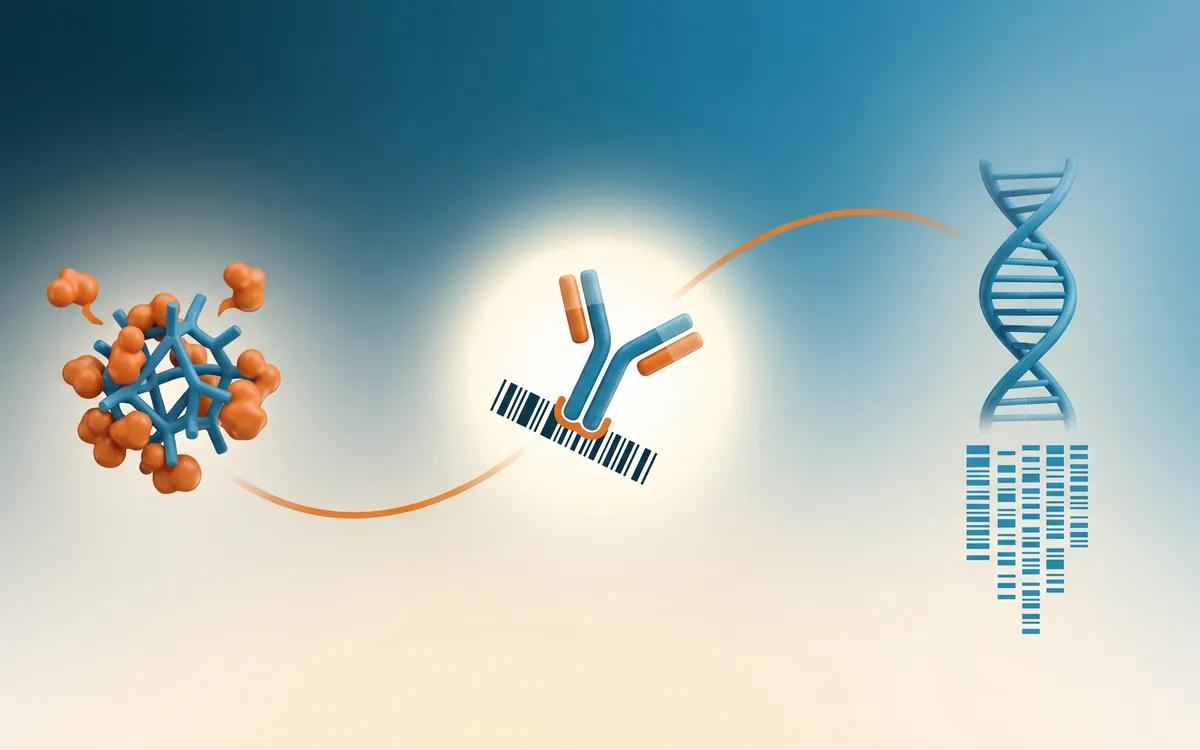
How MIPSA deciphers the antibody reactome: the three-step workflow at a glance.
Read more
Proteome-wide assessment of therapeutic candidate antibodies: comprehensive profiling of on- and off-target binding with…
Read more
A Southern soul ballad about the exposures written into a body’s antibodies, and the EnviroSIGHT panel built to survey t…
Read more
A single unbiased screen against the human proteome recovers the established SLE autoantibody suite and surfaces novel c…
Read more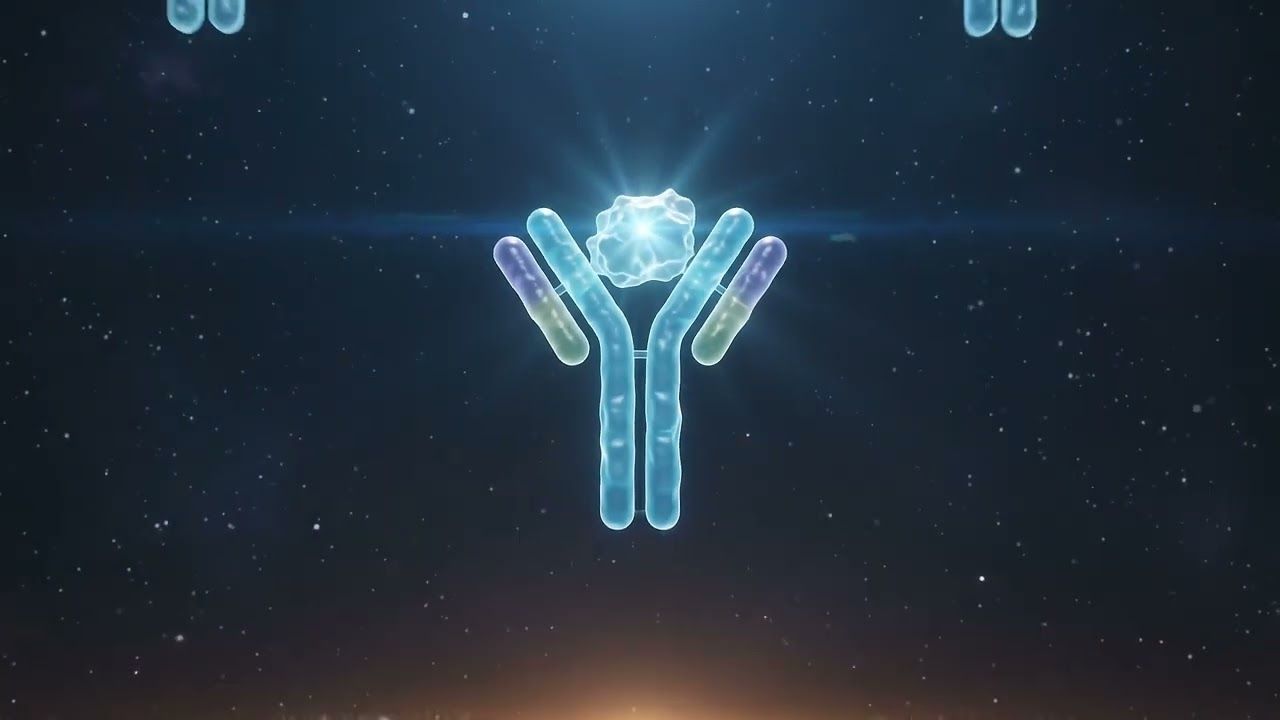
The molecular record of every infection, exposure, and immune response the body has generated over a lifetime.
Read more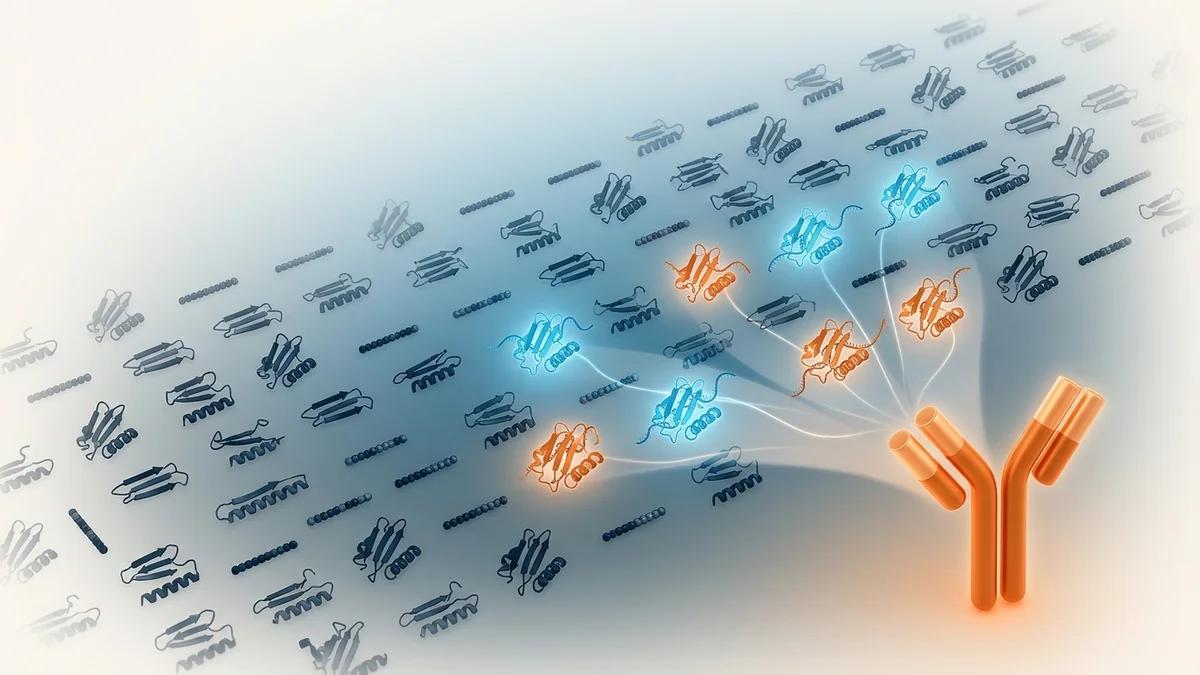
A single unbiased screen across 368,000+ human protein and peptide targets recovers known SLE autoantigens and detects n…
Read more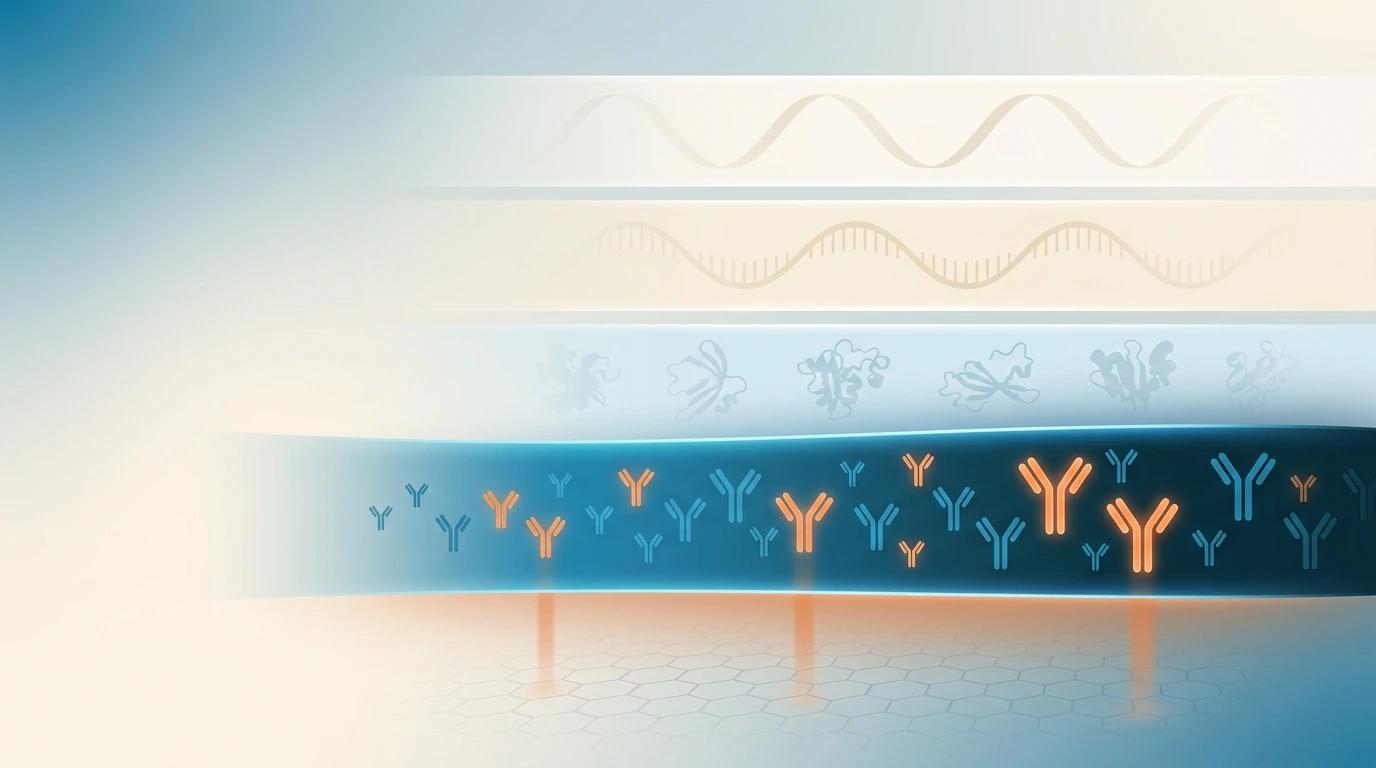
Where the antibody reactome fits in the multi-omic stack, how MIPSA deciphers it, and what the HuSIGHT, VirSIGHT, and En…
Read more
Ben Larman on translating dense reactome data: Antibody Reactomics framework, Complex Data Delivery.
Read more
Dolphyn algorithm: efficient epitope prioritization for extensive antigenic spaces.
Read more