
How to build a scientific tool company around a story the audience can actually hear — DNA-barcoded antibody reactomics, AI-assisted interpretation, and the discipline of refining the narrative.
In Episode 270 of The Management Blueprint Podcast, host Steve Preda interviews H. Benjamin Larman, Scientific Founder and CSO of Infinity Bio, about the science and the storytelling behind antibody reactomics. The conversation works through two of Larman's frameworks — an Antibody Reactomics Framework for reading the full immune repertoire via DNA-barcoded antigens, and a Complex Data Delivery Framework for translating that high-dimensional output into actionable findings for researchers and biotech partners. The back half pulls back from the science to discuss AI's effect on the cost of integrating reactome data with the literature, the dangers of "drinking your own Kool-Aid," and the lessons Larman has taken from refining Infinity Bio's narrative through repeated customer conversations.
In this episode:
The complete word-for-word transcript of this episode is published by Summit OS on the canonical episode page. Out of respect for the publisher's editorial rights, we link out rather than mirror the full text here.
Read the full transcript: summitos.co/podcast/270-simplify-complexity-with-ben-larman
The publisher's page contains a speaker-attributed transcript covering: Larman's scientific background and motivation; the mechanics of antibody reactomics and DNA barcoding; how MIPSA enables self-assembling libraries; the Complex Data Delivery Framework for communicating high-dimensional output; AI's role in integrating reactome data with the scientific literature; and storytelling lessons for biotech founders.
"The immune system is incredibly complex. We're just scratching the surface in understanding it."
— H. Benjamin Larman, Infinity Bio
"There's roughly 100 trillion antibody molecules in every drop of blood storing information from prior immune responses."
— H. Benjamin Larman, Infinity Bio
"We use self-assembly in a single reaction allowing protein fragments to barcode themselves in one tube."
— H. Benjamin Larman, Infinity Bio
"You really need to understand your audience and how to tell your story to be heard."
— H. Benjamin Larman, Infinity Bio
"Telling the story is so important and building the team around that story is so important."
— H. Benjamin Larman, Infinity Bio
"When you drink your own Kool-Aid, you can oftentimes take that for granted."
— Steve Preda, host
H. Benjamin Larman, PhD, is Scientific Founder and Chief Scientific Officer of Infinity Bio and a faculty member at Johns Hopkins. His lab developed MIPSA and the broader reactomics methods that Infinity Bio now offers as a service to biopharma and academic partners. Connect on LinkedIn.
The Management Blueprint Podcast is hosted by Steve Preda of Summit OS. The show interviews founders and operators about the operating frameworks that let complex businesses scale. Episode 270 aired January 10, 2025.
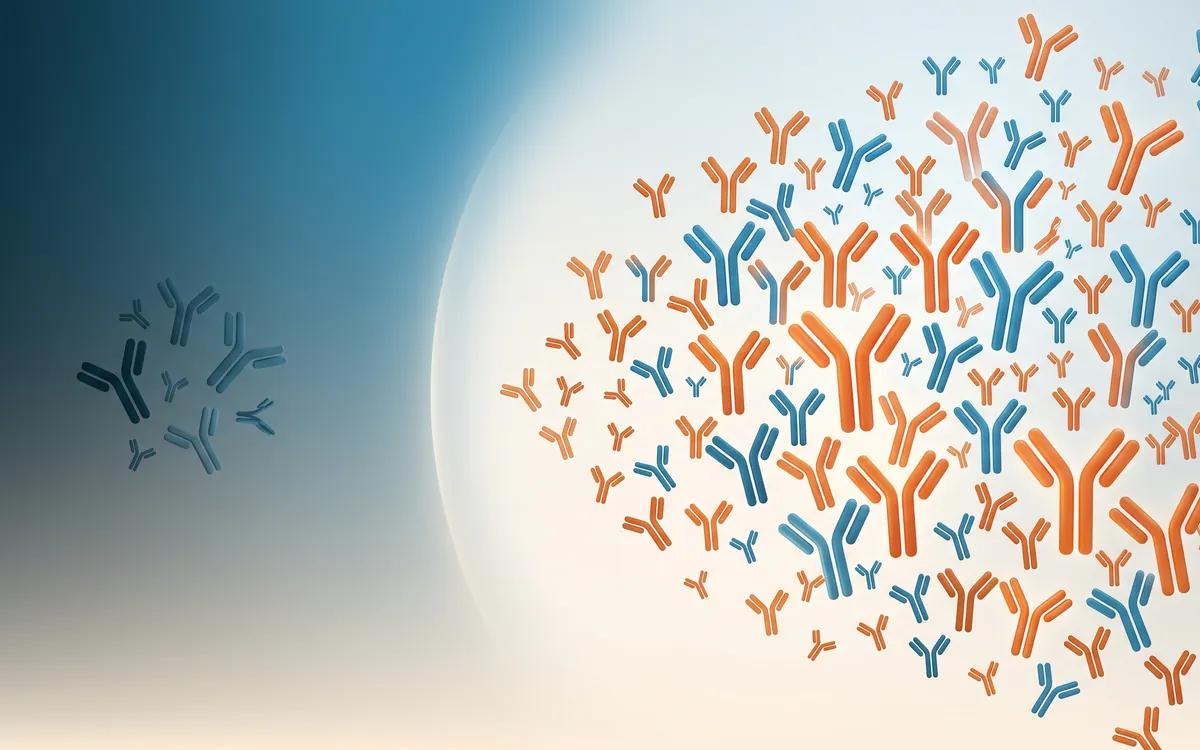
Why reactome profiling captures biology that other immune assays miss.
Read more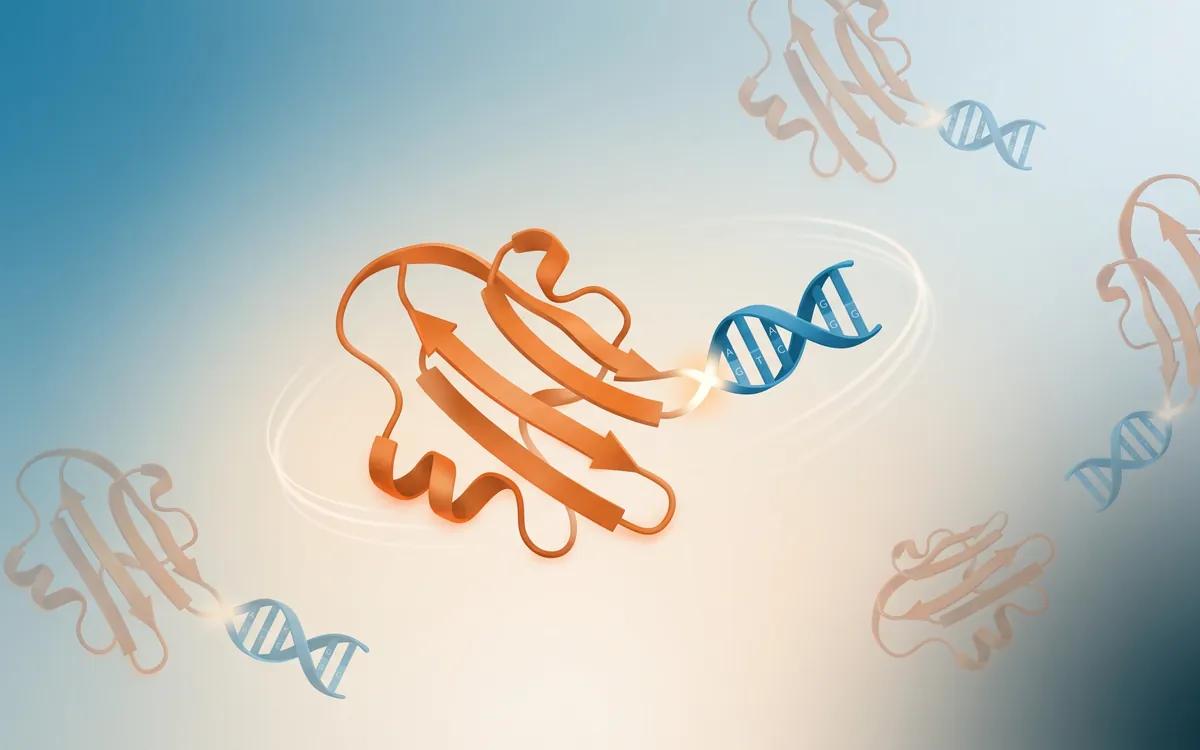
Ben Larman at AIRRC7: the science behind MIPSA library construction.
Read more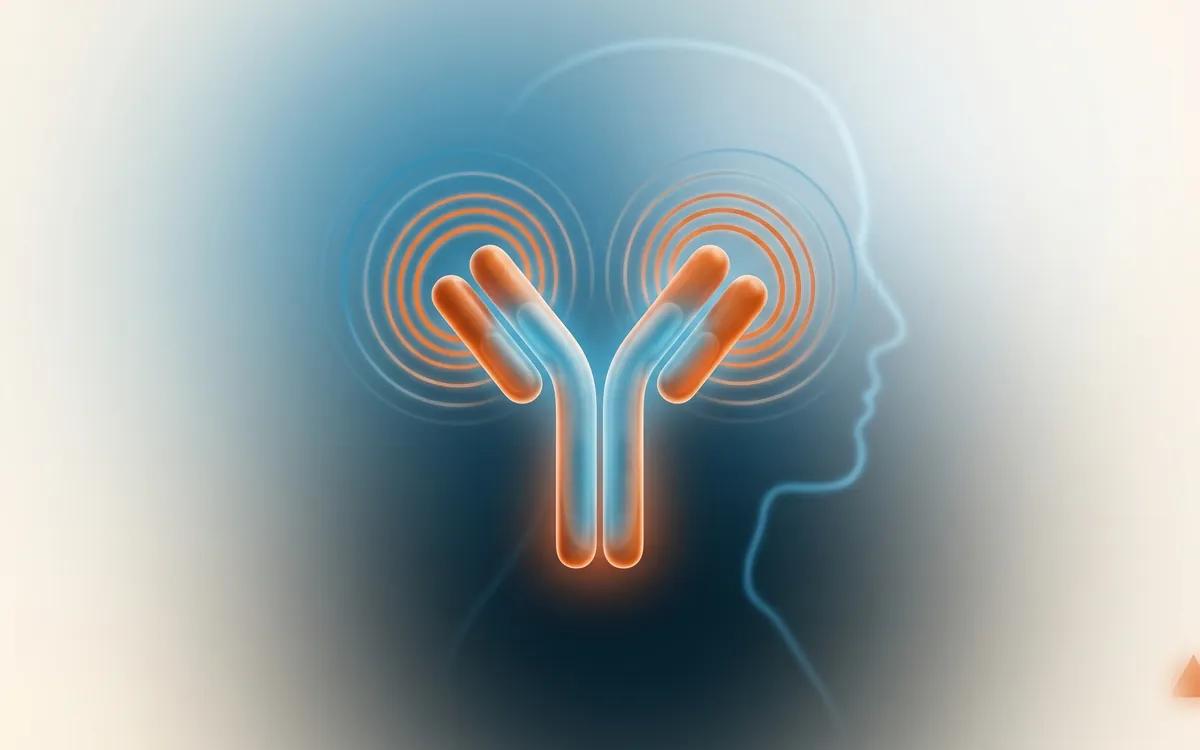
Why reactome profiling captures biology that other immune assays miss.
Read more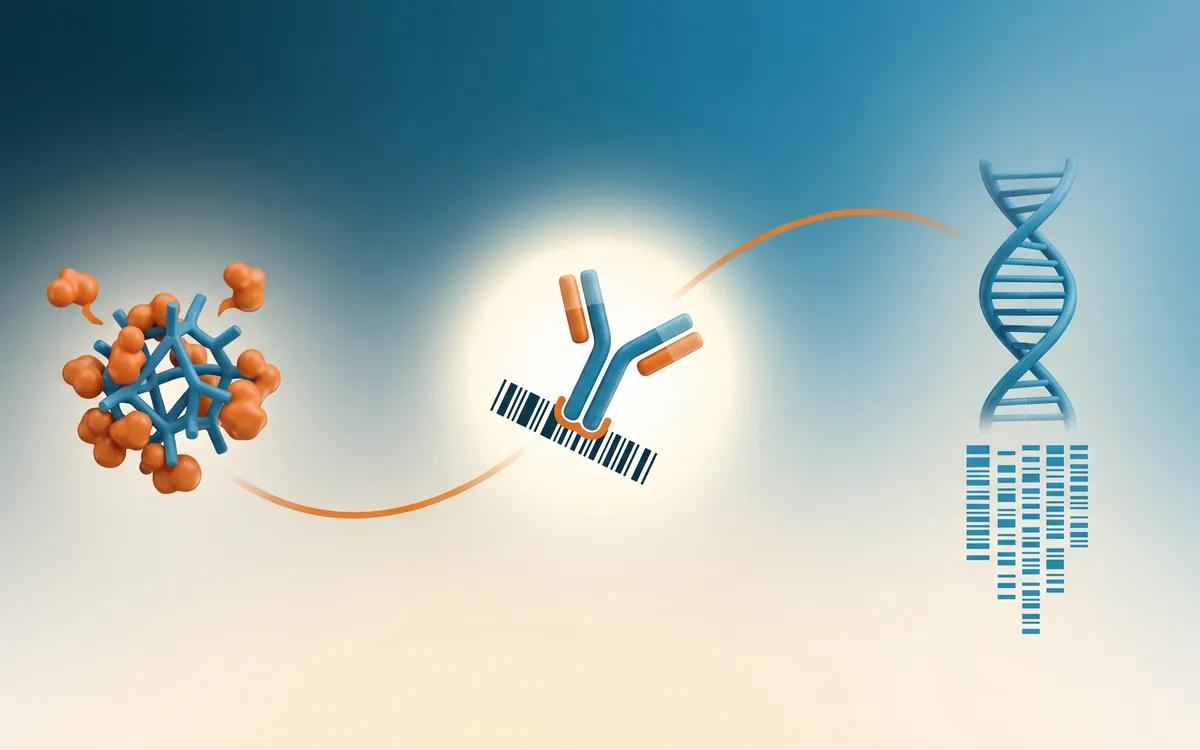
How MIPSA deciphers the antibody reactome: the three-step workflow at a glance.
Read more
Antibody Reactomics: the new dimension for precision immunology research.
Read more
Proteome-wide assessment of therapeutic candidate antibodies: comprehensive profiling of on- and off-target binding with…
Read more
A Southern soul ballad about the exposures written into a body’s antibodies, and the EnviroSIGHT panel built to survey t…
Read more
A single unbiased screen against the human proteome recovers the established SLE autoantibody suite and surfaces novel c…
Read more
The molecular record of every infection, exposure, and immune response the body has generated over a lifetime.
Read more
A single unbiased screen across 368,000+ human protein and peptide targets recovers known SLE autoantigens and detects n…
Read more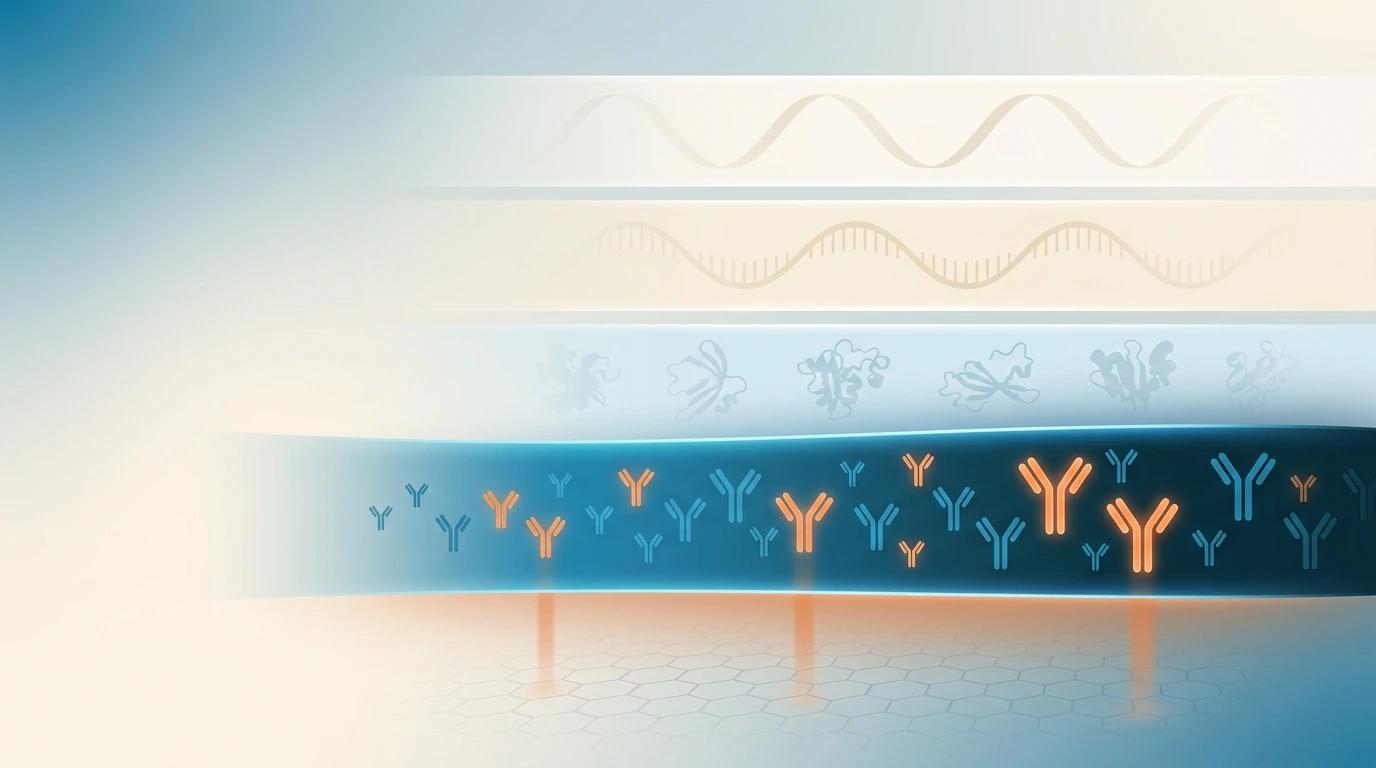
Where the antibody reactome fits in the multi-omic stack, how MIPSA deciphers it, and what the HuSIGHT, VirSIGHT, and En…
Read more
Dolphyn algorithm: efficient epitope prioritization for extensive antigenic spaces.
Read more