
The founding VirScan paper: a programmable phage-display library that maps antibody responses to every known human-tropic virus from 1 µL of serum.
Science · June 5, 2015 · DOI: 10.1126/science.aaa0698
Xu GJ, Kula T, Xu Q, et al. Comprehensive serological profiling of human populations using a synthetic human virome. Science. 2015;348(6239):aaa0698. doi:10.1126/science.aaa0698
Xu, G. J., Kula, T., Xu, Q., Li, M. Z., Vernon, S. D., Ndung’u, T., Ruxrungtham, K., Sanchez, J., Brander, C., Chung, R. T., O’Connor, K. C., Walker, B., Larman, H. B., & Elledge, S. J. (2015). Comprehensive serological profiling of human populations using a synthetic human virome. Science, 348(6239), aaa0698. https://doi.org/10.1126/science.aaa0698
@article{xu2015virscan,
  title   = {Comprehensive serological profiling of human populations using a synthetic human virome},
  author  = {Xu, George J. and Kula, Tomasz and Xu, Qikai and Li, Mamie Z. and Vernon, Suzanne D. and Ndung'u, Thumbi and Ruxrungtham, Kiat and Sanchez, Jorge and Brander, Christian and Chung, Raymond T. and O'Connor, Kevin C. and Walker, Bruce and Larman, H. Benjamin and Elledge, Stephen J.},
  journal = {Science},
  volume  = {348},
  number  = {6239},
  pages   = {aaa0698},
  year    = {2015},
  doi     = {10.1126/science.aaa0698}
}
The original VirScan paper. Xu, Kula, Larman, Elledge and colleagues introduced a programmable phage-display library encoding 56-residue peptide tiles spanning the proteomes of all 206 known human-tropic virus species, then assayed more than 100 million antibody–peptide interactions in 569 donors across four continents to produce the first virome-wide, epitope-resolved map of antiviral antibody responses ever published.
In this publication:
Most antibody assays in clinical and research use are designed to ask one question at a time: is there an antibody response to this specific pathogen, yes or no? The authors of this paper built a different kind of assay. They synthesized 93,904 DNA oligonucleotides on a programmable microarray, encoding 56-amino-acid peptide tiles with 28-residue overlaps that together span the reference proteomes of every virus in UniProt annotated as having human tropism — 206 species and over 1,000 strains. They cloned this library into a T7 bacteriophage display vector, incubated it with serum, used protein A/G beads to recover antibody-bound phage, and read the surviving phage by PCR and massively parallel DNA sequencing.
The assay, named VirScan, requires only about 1 µL of serum (2 µg of immunoglobulin) per sample, runs in 96-well format on a liquid handler, and produces a virome-wide antibody profile for roughly $25 per sample. Applied to 569 donors from the United States, Peru, Thailand, and South Africa, VirScan produced more than 100 million antibody–peptide interaction measurements — the first comprehensive, epitope-resolved view of the antiviral antibody repertoire across an entire human virome.
The findings reframed how to think about adult antiviral immunity. The average adult carried antibody responses against the proteins of about ten different virus species, with some individuals showing detectable antibodies against more than 25. Antibody profiles correlated with HIV status and geographic origin, and many of the most prominent epitopes were shared (“public”) across diverse populations — converging on the same residues despite the donors’ different exposure histories and genetic backgrounds. VirScan established the foundational platform for the entire family of programmable phage-display antibody-reactome assays that Infinity Bio and others have since extended to allergens, autoantigens, bacteria, and the complete human virome.
Why reactome profiling captures biology that other immune assays miss.
Read more
Ben Larman at AIRRC7: the science behind MIPSA library construction.
Read more
Why reactome profiling captures biology that other immune assays miss.
Read more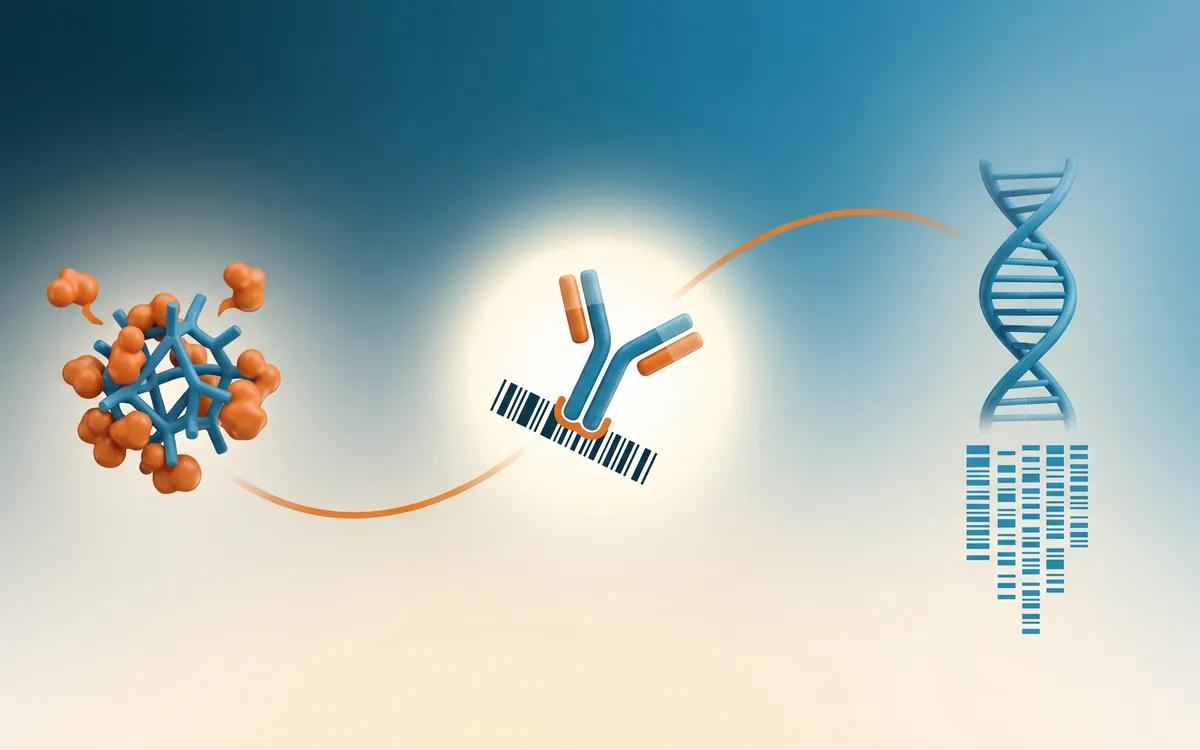
How MIPSA deciphers the antibody reactome: the three-step workflow at a glance.
Read more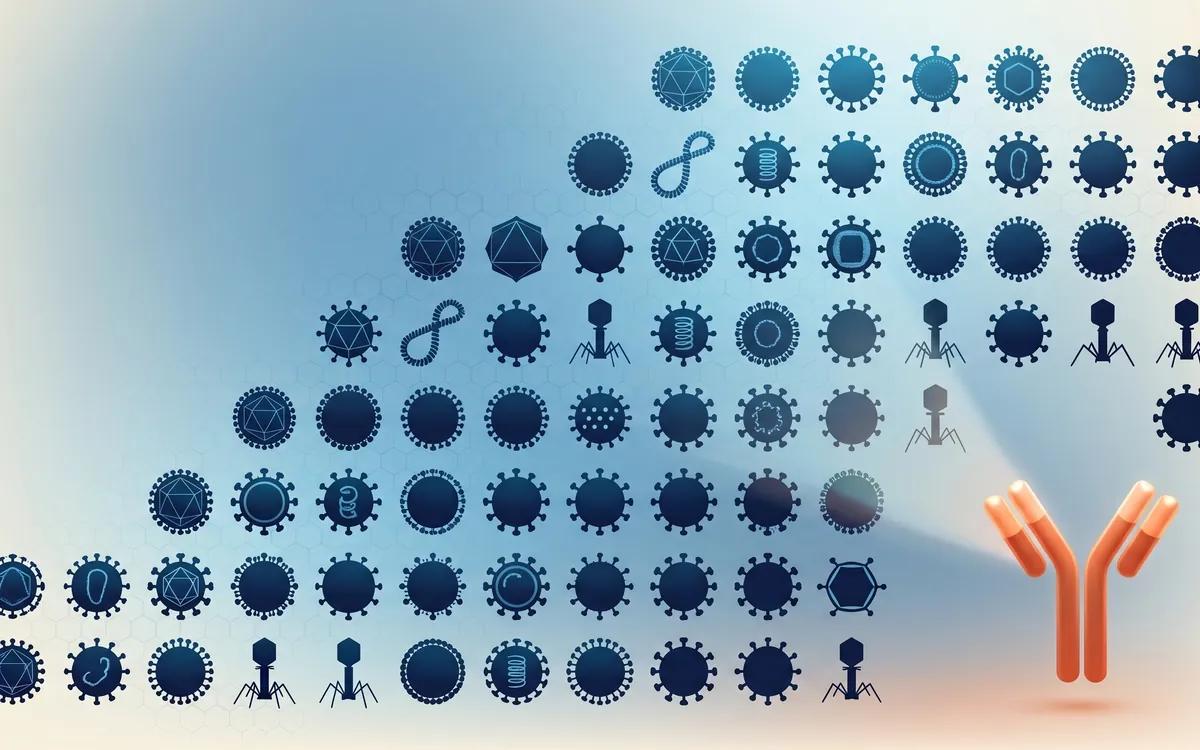
A peer-reviewed methodology white paper for VirSIGHT, Infinity Bio's unbiased antibody reactome assay covering 500+ huma…
Read more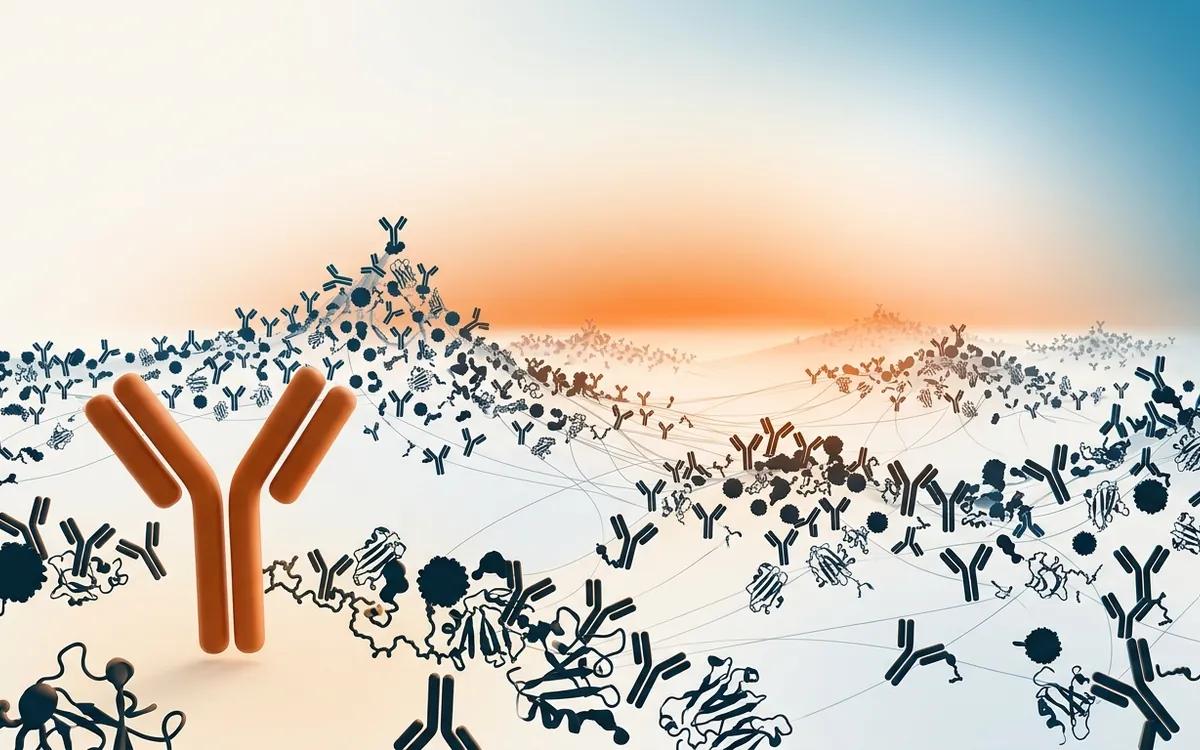
Antibody Reactomics: the new dimension for precision immunology research.
Read more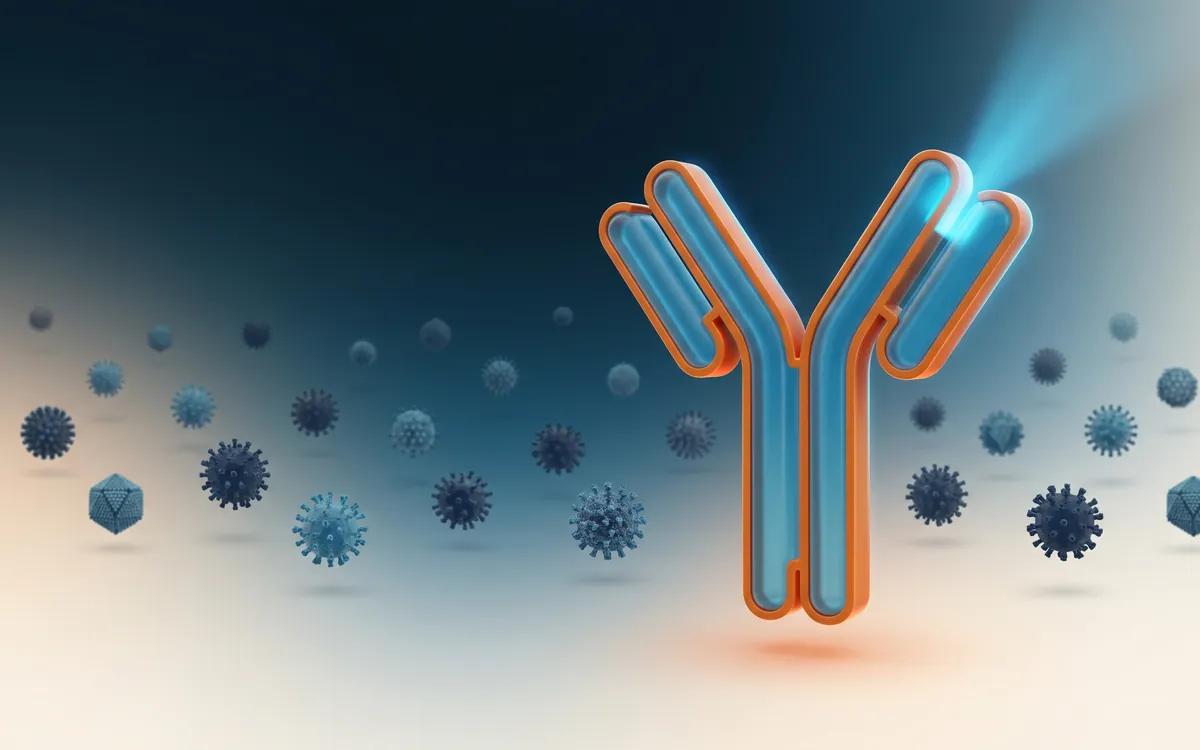
VirSIGHT at a glance: antibody reactome profiling across the known human virome (500+ species).
Read more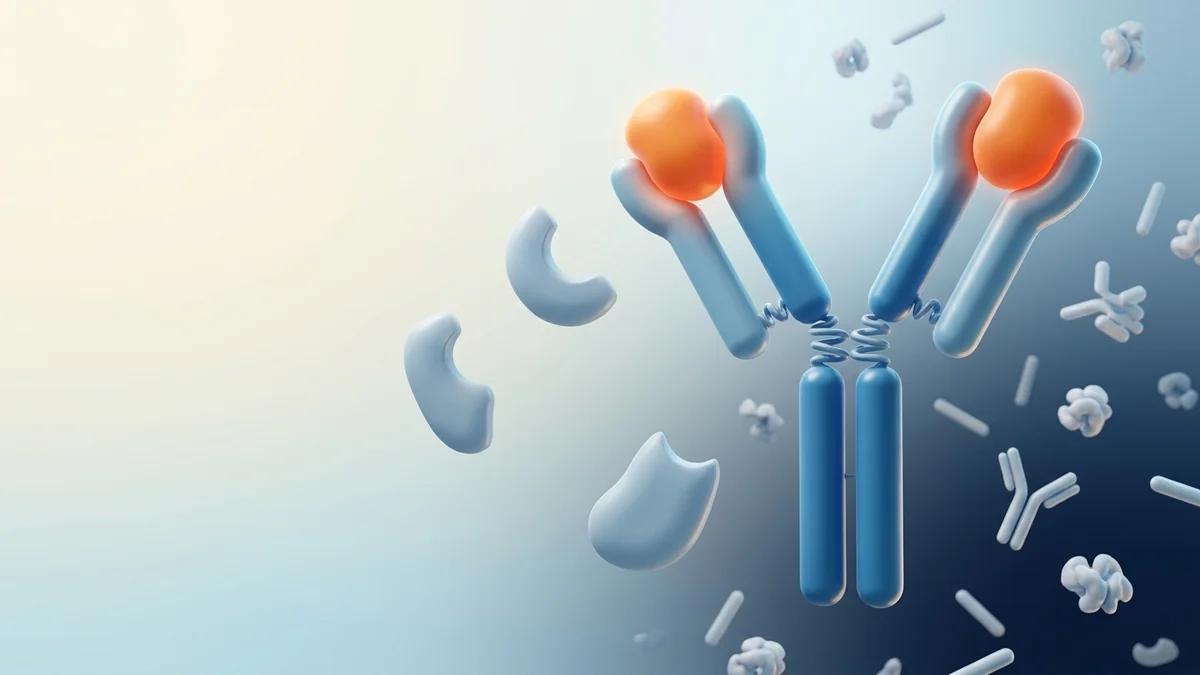
Proteome-wide assessment of therapeutic candidate antibodies: comprehensive profiling of on- and off-target binding with…
Read more
A Southern soul ballad about the exposures written into a body’s antibodies, and the EnviroSIGHT panel built to survey t…
Read more
A single unbiased screen against the human proteome recovers the established SLE autoantibody suite and surfaces novel c…
Read more
The molecular record of every infection, exposure, and immune response the body has generated over a lifetime.
Read more
A single unbiased screen across 368,000+ human protein and peptide targets recovers known SLE autoantigens and detects n…
Read more